
Key components of modern surveillance systems
Security camera types and features
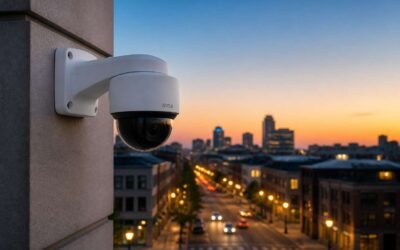
In a city of rain-slick streets and neon glow, security camera equipment keeps vigil where daylight fades. A telling statistic suggests visible cameras deter crime more than we admit, turning fear into measured caution. The gaze is patient, unblinking, turning ordinary spaces into guarded ones—even in South Africa’s busiest pockets.
Key components of modern surveillance systems form the backbone of the setup:
- High-resolution sensors and optics
- Efficient encoding and scalable storage
- Reliable power and rugged, weatherproof housing
Security camera types and features shape how a space is watched. Choices include:
- Dome or bullet cameras for discreet coverage
- PTZ units for dynamic, sweeping views
- AI analytics, night vision, and weather resilience
Video recording options and storage
In a city of rain-slick streets and neon glow, cameras never close their eyes. Studies suggest visible cameras can cut crime in bustling districts by up to 30%, turning risk into measured caution. The gaze is patient and unblinking, guarding South Africa’s busiest pockets with quiet authority—this is security camera equipment at work.
Modern surveillance rests on three pillars: high-resolution sensors and optics, efficient encoding with scalable storage, and rugged, weatherproof housing. Video recording options include on-site NVRs, edge recording to microSD, and encrypted cloud archives—each balancing speed, access, and redundancy to keep footage trustworthy.
Footage retrieval becomes a precise ritual, with robust search and retention policies designed to honor privacy while delivering accountability.
Power, cabling, and connectivity
In South Africa’s rain-washed city lights, uptime isn’t glamorous, it’s essential. Industry data suggests up to 99% availability improves when power continuity and sturdy cabling guard every frame of security camera equipment.
Power arrangements are the quiet engine: mains with UPS backup, battery reserves for storms, and solar options for remote sites. A clean power plan minimizes outages that erode evidence quality and system trust.
- Power: UPS, battery banks, and solar backups
- Cabling: shielded Cat6A or fiber, proper terminations
- Connectivity: PoE/PoE++, redundant links, and failover
Cabling and connectivity entwine the network: shielded Cat6A or fiber for long runs, PoE or PoE++ to feed cameras, and resilient routing with switches and redundant paths. Together, they underpin dependable surveillance across South Africa’s urban and rural expanses.
Monitoring and alert systems
Across South Africa’s urban pulse and rural edges, monitoring and alert systems are the vigilant heartbeat of modern surveillance. A sharp stat echoes in boardrooms: proactive monitoring can trim incident response times by up to 50%. In practice, it’s the moment-to-moment vigilance that keeps sites safe and evidence intact.
Key components work like a nervous system:
- Real-time monitoring dashboards accessible remotely
- Multi-channel alerts: SMS, email, app push, and on-call escalation
- Structured incident workflows that flag, track, and preserve footage
These elements sit within the broader security camera equipment ecosystem, delivering clarity, integrity, and trust as South Africa moves toward smarter, safer communities.
Installation considerations and placement
Placement is the quiet backbone of modern surveillance. In South Africa’s urban canyons and open rural routes, the best camera locations disappear into the background yet never miss a moment. “Best cameras are the ones you don’t notice until you need them,” says a seasoned security manager.
Choose sightlines that maximize coverage without blind spots. Consider weather exposure, vandal resistance, and integration with existing lighting. A well-sited camera yields clearer footage, easier evidence capture, and smoother maintenance.
- Optimal sightlines and unobstructed field of view
- Strategic lighting to minimize shadows and glare
- Tamper-resistant housings and elevated mounting
- Accessible yet secure cable and power routes
Within the broader security camera equipment ecosystem, placement decisions affect footage quality and the pace of incident response, building trust across communities.
Choosing the right cameras
Dome vs bullet vs PTZ use cases
In South Africa’s bustling districts, visible cameras can deter up to 50% of opportunistic theft—a statistic that makes plain the value of smart camera placement! When choosing the right camera type, dome, bullet, and PTZ each play different roles in security camera equipment. The goal is to match coverage to risk without creating visual noise.
- Dome: discreet ceiling mount; ideal for corridors, shops, and interior corners where tamper-resistance matters.
- Bullet: rugged exterior housing; great for entry points, exteriors, and longer sightlines.
- PTZ: flexible patrols and zooms; suited to larger sites, lobbies, and parking areas where monitoring scales up.
Blending dome interiors with bullets at entry points and PTZ on larger footprints delivers practical coverage without overkill. Coordinate with power, cabling, and storage planning, so the setup stays resilient in South Africa’s variable conditions.
Image quality and sensor types
Across South Africa’s bustling districts, crisp imagery is a quiet sentinel, cutting opportunistic theft by up to 50% when visible. In security camera equipment discourse, the decisive edge comes from how the sensor drinks light and how the image holds under pressure.
Image quality hinges on the sensor type and resolution. CMOS sensors deliver speed and efficiency, while higher-end models may feature back-illuminated chips for dim corridors and dusty exteriors. Choose 2K or 4K frames to capture faces and plates, mindful of storage and bandwidth.
Consider these attributes as light shifts across scenes:
- Sensor size
- Low-light range
- Dynamic range
South Africa’s variable climate asks for rugged IP-rated builds and thermal tolerance to keep fidelity through sun, dust, and heat, ensuring security camera equipment performs when it matters most.
Night vision and low light performance
Darkness is an ally when you pick the right cameras. A well-tuned night vision setup can deter opportunists and speed up investigations. When selecting security camera equipment, you want clarity that holds up in shadows and dusty corridors, not a neon haze. Treat the night as a stage and the lens as the spotlight—readable faces, legible plates, even when the sun has left the building.
- Night vision range and IR intensity matched to your site footprint
- Low-light sensitivity (lux) and back-illuminated sensor benefits
- Color night vision versus monochrome IR and day-night auto-transition
- Durability, dust resistance, and a rugged IP rating for SA climates
Bottom line: invest in sensors that perform across the spectrum, not just in the showroom. The right mix of night vision and low-light handling is essential for your security camera equipment, keeping visuals readable through SA’s dusty heat and after-dark threats.
Weather resistance and vandal resistance
SA sites face heat, dust, and opportunists every night. “Weather will test you,” as the saying goes—and weather resistance and vandal resistance are not afterthoughts when choosing security camera equipment. Look for strong IP ratings (IP67/IP68) and a solid IK rating to match the risk on your site. Durable enclosures are the backbone of reliable footage in harsh climates, not a luxury.
- IP rating means watertight and dust-tight performance in your climate
- IK vandal rating protects against impact and tampering
- Rugged housings and protected cable paths tame heat and dust intrusion
Beyond ratings, expect rugged housings, protected cabling, and heat-tolerant components. These choices cut maintenance in dusty, high-temperature corridors and keep footage readable after dark. This is how to safeguard your security camera equipment for the long haul.
Field of view and mounting options
Angles win battles. In bustling South African sites, up to 60% of actionable footage hinges on the field of view catching the moment rather than missing it entirely. The right camera placement reads the space with the finesse of a host at a canapé soirée—precise, never obtuse.
Field of view and mounting options are twin levers in selecting quality security camera equipment for our diverse landscapes. A wide lens suits entrances and corridors, while a zoom or varifocal lets you tune after installation.
Mounting options determine legibility at dawn and dusk. Consider these practical placements:
- Wall, ceiling, or pendant mounts for flexible angles
- Corner and parapet placements to seal blind spots
- PTZ units for targeted patrols with zoom
Done well, this synergy yields readable footage and fewer callouts, making security camera equipment more trustworthy than a rumor.
Recording and storage solutions
Network video recorders vs cloud storage
Footage has a stubborn way of outlasting the moment it captures, and in the realm of security camera equipment, the storage decision is the plot twist that keeps the drama from vanishing into thin air. A crisp line from a seasoned SA security director still rings: redundancy is the currency of trust.
Two paths compete for the throne: Network video recorders (NVRs) for on-site control, and cloud storage for off-site resilience.
- On-site control and immediate playback without dependence on internet
- Cloud storage provides off-site redundancy and scalable capacity
- Hybrid setups blend both for resilience and flexibility
In South Africa’s varied bandwidth landscape, the optimal choice balances local speed against remote safeguards, with encryption and strict access controls as non-negotiables.
Compression formats and file management
Footage outlives the moment it captures. Recording and storage hinge on how data is compressed and kept accessible. Local servers offer instant playback and full control, while cloud options deliver off-site resilience. For security camera equipment, the right mix keeps growth manageable and secure.
- H.264
- H.265 (HEVC)
- MJPEG
Efficient file management uses consistent naming, metadata, and retention rules. Encryption and strict access controls safeguard footage without slowing retrieval. This is where security camera equipment shines in a connected, compliant setup.
Retention policies and retrieval
Across South Africa, a single clear clip can save a fortune in prevention, while most businesses drown in data. When evaluating security camera equipment, recording and storage decisions matter more than glossy specs. Data sovereignty and cost considerations push teams toward a hybrid setup: local servers for speed and control, cloud for off-site resilience.
Retention policies and retrieval speed keep footage usable, not lost to the archive abyss. Define how long to keep each event, who can access it, and how quickly you can search by time, event, or camera.
- Retention windows aligned to risk, privacy, and compliance
- Automated deletion and long-term archival rules
- Audit trails, encryption, and access controls for tamper resistance
With this approach, your gear becomes a living backbone rather than a data swamp.
Storage scalability and redundancy
In a rural town on the edge of the Karoo, a single crisp clip can avert a costly dispute and pay for itself in moments. Recording and storage solutions hinge on storage scalability and redundancy; the right setup keeps footage accessible, not buried. This is where security camera equipment meets practical design.
- Local storage on a robust NAS or edge server with RAID for speed and data integrity
- On-site redundancy with mirrored drives and regular health checks
- Off-site cloud replication to survive a storm, power cut, or theft
Capacity should grow with your needs, balancing local speed with remote resilience. In South Africa, data sovereignty and network costs shape the mix, ensuring footage remains readily retrievable when it matters most.
Data privacy and security measures
Footage is useless if it vanishes when storms rage or power cuts hit. Recording and storage solutions must be resilient, fast to retrieve, and respectful of privacy. This is where security camera equipment meets practical design. Quick access, strong permissions, and robust encryption keep footage usable and secure.
Organise privacy controls with these essentials:
- End-to-end encryption for video in transit and at rest
- Role-based access with multi-factor authentication
- Immutable audit trails that log every view and export
- Data minimisation and clearly defined retention policies
In South Africa, data sovereignty and network costs shape how you deploy security camera equipment. Align workflows with local compliance, choose vendors with transparent practices, and design for selective sharing while keeping footage readily retrievable when it matters most.
Network setup and cybersecurity for surveillance
IP addressing, switches, and PoE basics
Across South Africa’s growing security-conscious towns, the backbone of reliable surveillance is clean IP addressing, robust switches, and dependable PoE. A single misconfigured device can turn a quiet suburb into a cyber frontier. Network setup and cybersecurity aren’t afterthoughts; they are the quiet guardians that keep cameras reachable and data intact. Thoughtful subnetting, password hygiene, and firmware updates turn a brittle system into a sentinel that stands up to modern threats. In the realm of security camera equipment, a well-planned network reduces lag and protects privacy.
Cybersecurity for surveillance networks hinges on disciplined access controls, encrypted management paths, and routine monitoring of activity logs. Segmented networks and trusted firmware ecosystems help stay ahead of threats!
Orchestrating such a system feels like weathering a storm: careful planning, ongoing audits, and clear governance keep signals strong, data safe, and the experience seamless for end users.
Secure remote access and VPNs
Surveillance is only as strong as its remote doorways. Secure remote access and VPNs are not afterthoughts—they are the quiet guardians that let you reach a camera feed without inviting trouble. In the realm of security camera equipment, encrypted management paths and disciplined access controls turn a brittle network into a fortress, and I sleep easier when the tunnel is encrypted and only trusted devices can speak to the NVR!
- Deploy a robust VPN with MFA and device trust
- Isolate management traffic from public networks using encrypted channels
- Apply least-privilege access and role-based controls
- Maintain continuous monitoring of remote sessions and logs
Coupled with routine governance, these practices keep South Africa’s surveillance resilient, ensuring secure connections that stay invisible to intruders while visible for those who manage them.
Firmware updates and hardening
Access is the new attack vector, and it’s not a battle fought in data centres alone—it’s at the edge where cameras meet the internet. In South Africa’s varied deployments, robust network setup matters as much as the hardware itself. The door is only as strong as who can reach it.
Firmware updates and hardening are not afterthoughts—they are the protection layer that keeps every link in the chain trustworthy. For the maintenance of your security camera equipment, plan a disciplined update cadence and enforce signing, testing, and documentation as routine practice:
- Rely on signed firmware from trusted sources and verify authenticity
- Consider testing updates in a staging environment before production
- Maintain change logs and have a rollback strategy
- Stay informed about vendor advisories and end-of-life notices
South African deployments benefit from clear change management and regional compliance awareness, ensuring every firmware upgrade strengthens rather than destabilizes the surveillance footprint. This approach helps keep resilience at the core of your setup against evolving threats.
Privacy zones and masking
Edge security is where resilience begins, and the data trail starts at the fence line. In South Africa, a robust network setup is not flashy—it’s practical and personal. Privacy zones and masking are more than features; they are promises to neighbours and visitors that images stay where you want them. When you invest in security camera equipment, you’re choosing not just hardware but stewardship of every frame, and I’ve seen it work on quiet farms and busy townships alike.
To honor privacy and keep cyber threats at bay, map your cameras into secure segments, enforce least-privilege access, and log every change. Consider these privacy zoning steps:
- Privacy zones concepts and the role of masking in sensitive areas
- Masking capabilities and legal considerations for face and plate blurring
- Governance of access, logging, and change management as oversight
Bandwidth management and edge storage
Across South Africa, bandwidth is the missing lens of good surveillance, with rural sites often enduring 30-50% interruptions at peak times. When feeds stall, incidents slip by and evidence loses its edge. A disciplined network setup—QoS, proper VLANs, and dependable edge storage—keeps the action in-frame and on time. With security camera equipment, you’re choosing not only hardware but a resilient data pipeline that survives patchy links and power hiccups.
- Prioritize local edge storage with encrypted sync to the cloud only when the link is reliable
- Configure QoS and traffic shaping on core switches to keep critical feeds flowing
- Choose light-touch compression and efficient codecs to cut bandwidth without sacrificing clarity
This balance between bandwidth and storage makes surveillance smarter, not louder. When the network breathes easy, security teams move with confidence and clarity.
Best practices for installation and maintenance
Site survey and camera placement
Strategic placement is the quiet engineer of safety — the moment a corridor shadow becomes a witness. Across South Africa’s bustling streets and sprawling campuses, a well-considered site survey translates into fewer blind spots and faster response times. This is the essence of security camera equipment.
Begin with a careful audit of entry points, sightlines, and lighting. Map routes that avoid glare, protect against tampering, and keep lenses away from harsh sun. Balance coverage with respect for privacy, and test scenarios that mirror real events, from late-night deliveries to crowded exits.
- Entry points and high-traffic zones inform coverage balance
- Lighting dynamics, glare, and backlight influence image quality
- Mounting surfaces and maintenance access shape long-term viability
Maintenance follows placement: clean lenses, inspect housings for wear, and schedule periodic firmware checks so the surveillance remains a patient, persistent observer rather than a brittle witness.
Cable management and weatherproofing
Across South Africa’s sun-baked towns and wind-swept campuses, weather becomes a constant test for security camera equipment. I’ve learned that a veteran installer’s line, “The details are what survive the shift from day to night,” rings true. When maintenance and cable management are treated as an integral part of the system, the camera keeps watch with endurance rather than brittle gusto.
To align with best practices, consider how cables are routed, how enclosures seal, and how service points are positioned for easy access without tugging or strain. The following elements support durability in harsh conditions:
- Cable pathways that minimize exposure to sun, moisture, and tamper attempts
- IP-rated enclosures and weatherproof fittings suitable for SA climates
- Accessible lens and connector areas to reduce maintenance downtime
Ultimately, the care given to installation and upkeep is the unseen backbone of dependable security camera equipment—the difference between a distant silhouette and a confident witness.
Calibration, angle testing, and maintenance schedule
Across South Africa, 68% of security camera downtime traces to calibration drift and misalignment, turning vigilant watchers into silenced silhouettes. Calibrating isn’t glamorous, but it is the quiet discipline that keeps security camera equipment honest.
Best practices unfold as a philosophy rather than a checklist: seek a faithful focus through careful calibration, respect the angle at which the scene is captured, and embed a disciplined cadence of upkeep that endures climate and traffic.
That’s the difference between a distant silhouette and a confident witness—the unseen rituals that anchor every frame. The details are what survive the shift from day to night.
Regular testing of alerts and playback
Across South Africa, 68% of downtime traces to drift and misalignment—yet the true heartbeat of any surveillance network is the cadence of care, not the flash of hardware. Best practices for installation and maintenance unfold as a philosophy: align purpose with placement, and treat each camera as a storyteller whose truth rests on steady testing. Regular testing of alerts and playback preserves trust in security camera equipment, ensuring response when a moment calls.
Not every gadget earns its keep; the craft lies in the quiet rituals that keep the feed lucid across shifting light and growing crowds. Clocks, logs, and a patient mindset form the triad that sustains dependable performance, freeing security teams to observe rather than chase faults.
Compliance and legal considerations
Best practices for installation and maintenance begin with governance, not gadgetry. In South Africa’s dynamic urban landscape, the right approach to security camera equipment blends placement with policy: align purpose with position, then commit to ongoing care. Compliance and legal considerations—POPIA, lawful data processing, clear signage, and controlled access—shape every choice, reminding us that cameras are keepers of trust as much as viewports into space.
- POPIA-aligned data handling: collect only what is necessary and protect it.
- Clear signage and purpose disclosure in monitored areas.
- Secure access, robust logs, and audit trails for accountability.
Maintenance becomes a quiet ritual: verify mounts, review consent boundaries, and document changes so the feed remains reliable through shifting light and crowds. When done well, security camera equipment earns lasting confidence from guards and managers alike.

0 Comments