
Motion sensors and security cameras: a comprehensive comparison
Core differences and definitions
Home security is a stage where light and shadow tell a story; the choice between motion sensor vs security camera shapes that narrative. Recent South African research shows that 60% of homeowners sleep better when layered protection relies on motion sensing with intelligent alerts rather than lone CCTV footage. Motion sensors detect heat or movement and spark immediate alerts, while security cameras focus on recording and live viewing, turning moments into watchful evidence.
Core differences and definitions show distinct roles: sensors are proactive sentinels that wake you at the door; cameras are archival witnesses that document incidents.
- Motion sensors: instant alerts, minimal data, door and window coverage.
- Security cameras: video capture, live monitoring, post-event review.
- Placement and privacy: balance field of view with storage needs.
Together, they offer a layered shield that respects privacy while ensuring timely, verifiable protection across South Africa’s diverse spaces.
Technology and operation
In South Africa, 60% of homeowners sleep better when layered protection relies on motion sensing with intelligent alerts rather than lone CCTV footage. The night feels different when a proactive sensor whispers warnings before a door creaks, and the living space breathes easier with smart, watchful eyes.
Motion sensors act as proactive sentinels, waking you with instant alerts as heat or movement is detected. They generate minimal data, protect doorways and windows, and respect privacy by avoiding constant video capture. When you weigh motion sensor vs security camera, the sensor trades latency for immediacy.
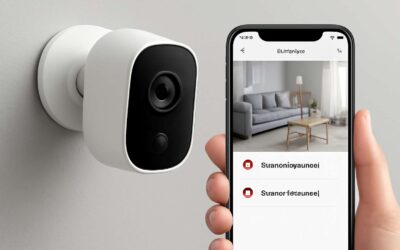
- Instant alerts up to your phone
- Lower data footprint and storage needs
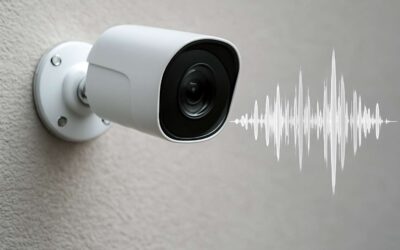
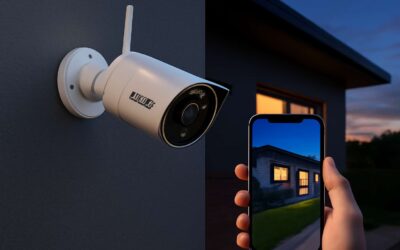
Security cameras capture video, enable live monitoring, and provide post-event review, turning moments into verifiable evidence. They demand storage, bandwidth, and careful privacy settings, but they shine in situational awareness, night vision, and definable field of view across rooms or yards.
Practical use cases
South Africa’s night hums with quiet vigilance. In SA, 60% of homeowners sleep easier when layered protection relies on motion sensing with intelligent alerts rather than lone CCTV footage. These sentinels wake you with whispers of heat and movement, turning shadows into early warnings.
Between motion sensor vs security camera, immediacy often wins. Motion sensors deliver instant alerts to your phone, with a smaller data footprint and a privacy-friendly profile. They secure doorways and hallways, sparing you from yawning screens and constant recording.
- Perimeter protection for doors and windows with fast, location-specific alerts
- Pet-friendly setups that minimize false alarms from daily movement
- Low-bandwidth, rental-friendly options that respect privacy and data limits
Cameras unleash context: live monitoring, night vision, and post-event review. They paint a detailed picture across rooms and yards, but demand storage, bandwidth, and careful privacy controls. In practice, they complement sensors, creating a layered, watchful presence that feels almost supernatural in its timing.
Decision guide and cost considerations
In the decision maze between motion sensor vs security camera, immediacy and privacy pull in opposite directions. Motion sensors deliver crisp alerts with a small data footprint, while cameras offer context for post‑event review and deterrence. Both approaches deserve a layered mindset rather than a lone choice!
Cost considerations in South Africa hinge on upfront hardware, installation, and ongoing data or monitoring fees. A motion sensor setup can trim monthly expenses, while cameras may necessitate storage and cloud plans. The wiser path pairs both, tuned to risk, privacy, and bandwidth realities.
- Upfront hardware price
- Ongoing data storage or monitoring fees
- Privacy controls and data security
- Installation complexity and compatibility
0 Comments