
Understanding Modern Surveillance Solutions
Types of Residential and Commercial Cameras
The security camera system has become a silent architecture across South African suburbs, a lattice of watchful eyes that record the quiet hours of private streets. In Johannesburg and Cape Town, the choice of camera is rarely a simple matter of preference. It is a calculated response to the specific textures of the night, the angles of a property, and the stubborn reality of load shedding.
Understanding the landscape of modern surveillance starts with distinguishing between the two primary breeds of observation. Residential systems are tailored for smaller perimeters, focusing on entrances, driveways, and the immediate perimeter of a home. Commercial counterparts, however, must swallow entire floorspaces, parking lots, and logistics yards, demanding higher resolutions and more robust storage strategies to survive the daily churn of activity. The distinctions are not merely about size, but about the unexpected demands each environment places upon the hardware.
For the average homeowner, the choices often break down into a few practical categories based on the field of view and the method of deployment. Consider these options:
– Dome cameras: These are discreet fixtures often found on ceilings, offering a wide field of view that is difficult for intruders to identify the direction of.
– Bullet cameras: These are long and cylindrical, designed for a fixed, narrow view spanning a long distance, perfect for illuminating a dark pathway or a distant gate.
– PTZ cameras: These are pan-tilt-zoom units that allow an operator to actively track a subject, a feature more common in commercial settings but increasingly available for residential use.
Each of these fixtures interacts with the environment differentlyebbs and flows of light. A bullet camera mounted under a eave can cut through the darkness of a garden breeze, while a fixed dome in a warehouse might capture the slow, rhythmic pacing of a night guard. Ultimately, the efficacy of the security camera system rests not in the number of lenses, but in how those lenses are strategically aligned with the shadows of the property. The footage they collect becomes a silent witness, a series of frozen frames that hold the profound, and sometimes unsettling, truth of what moves in the corners of our lives.
Key Technology Advancements to Consider
Understanding Modern Surveillance Solutions: Key Technology Advancements to Consider
The security camera system has evolved far beyond the grainy, tape-based setups of the past. For South African property owners, the decision to invest in surveillance is often driven by practical necessity. Yet, the sheer volume of technical specifications can make the selection process feel like learning a new language. The modern market offers a spectrum of options that range from the basic to the highly sophisticated, and understanding where your money is best spent requires a bit of insight.
One of the most significant shifts in recent years involves how images are captured and transmitted. High-definition clarity is now the baseline, but the real game-changer is the transition to digital processing. This allows for remote viewing, motion detection alerts, and the ability to review footage from a smartphone anywhere in the world. For those managing properties in Johannesburg or Cape Town, this means immediate awareness of activity, whether you are at work in Sandton or travelling abroad.
However, technology is only as good as its reliability during critical moments. This is a particular concern in a landscape where load shedding remains a recurring reality. A camera that powers down during an outage is a blind spot when you need it most. Therefore, the selection process must extend to infrastructure. Key factors to evaluate include:
– Power over Ethernet (PoE) capabilities: This simplifies installation by carrying power and data through a single cable, allowing for a central battery backup system.
– Night vision range: Look for infrared LEDs that provide clear footage in complete darkness, not just dusk conditions.
– Storage capacity: Determine whether local storage, cloud storage, or a hybrid approach best suits your data retention needs and data usage costs.
The distinction between wired and wireless systems also carries weight in a residential context. While wireless cameras offer flexible placement and are less intrusive to install, they rely heavily on wi-fi signal strength and can be susceptible to interference. A wired system may offer a more stable connection, ensuring that the security camera system operates consistently without lag or dropouts. When considering your options, it is also wise to check the camera’s ability to handle extreme heat, as direct sunlight can degrade components over time and affect performance.
Finally, consider the user interface. A sophisticated system is rendered useless if it is not intuitive. Modern apps should offer easy access to live feeds, simple playback of recorded events, and clear notifications. The goal is to create a layer of protection that integrates into your daily routine, offering peace of mind without constant maintenance. Be wary of systems that lock you into proprietary contracts, and opt for solutions that offer flexibility. The best advancements are those that work quietly, providing a constant, watchful eye over your property, allowing you to get on with the business of living.
Assessing Your Property’s Vulnerability
Most property owners overestimate their home’s security. A slow walk around the property reveals how easily access is gained.
Start at the street. Where would you approach if you intended to enter uninvited? Look for shadows, overgrown vegetation, and footholds. Visible valuables signal a target.
Vulnerability assessment must consider routine. When do you leave for work? When do the neighbours leave? Predictability invites an approach. The security camera system that accounts for these rhythms operates when needed.
I have walked properties where a single hedge hid the main entry point. Rear boundaries with dense shrubbery need different coverage than street-facing entrances. Findings dictate the equipment.
– Entry points visible from the road demand reliable night footage.
– Overgrown side passages need motion detection with a clear approach view.
– Garages and staff quarters require separate attention.
The security camera system you install should answer the questions your walkthrough raised, not a spec sheet’s.
Choosing the Right Video Monitoring Equipment
Wired vs. Wireless Camera Comparisons
Selecting the correct cabling and transmission method determines the reliability of the security camera system. Wi Fi units offer simple installation, yet they contend with signal congestion and interference from household appliances. Wired connections provide stable bandwidth, a strong choice for high definition feeds that demand constant throughput. However, running Ethernet cable through existing walls in South African homes poses a challenge. I have measured signal drops across thick concrete walls in older Johannesburg properties. When evaluating components, consider the power source. Power over Ethernet simplifies wiring by carrying data and electricity on one cable. It needs a compatible switch, but it removes the need for an electrician. A wireless setup can work for a single camera near a strong router. I always advise checking the manufacturer’s specification sheet for data rates. Your building layout will determine whether a wired or wireless approach makes sense for the security camera system.
Resolution, Field of View, and Night Vision Essentials
One blurred face at midnight can undo months of careful planning. In South Africa, where many incidents occur after sunset over the Highveld, the security camera system stands or falls on three specifications: resolution, field of view, and night vision. These are not marketing bullet points. They are the difference between identifying a suspect and watching a shadow.
Resolution determines how much detail you capture, but higher megapixels demand more light and bandwidth. A 4MP camera with wide dynamic range often outperforms an 8MP sensor in dim environments. Field of view dictates how many corners you cover; a 2.8mm lens spans a room, while a 6mm lens narrows onto a gate.
Night vision essentials to verify before purchase:
- Infrared range measured in metres, not simply LED count.
- Automatic switching to black and white for clarity.
- Starlight sensors for color images at low lux levels.
Smart Features: Motion Detection, Two-Way Audio, and AI Analytics
A crime scene unfolds in seconds, not minutes. By the time a recording starts and stops, the critical moment has passed, leaving you with footage that confirms a theft but fails to identify the thief. That is why the smart features within the security camera system matter just as much as the lens quality. A camera is a passive observer until it gains intelligence, and in 2025, that intelligence is the difference between a reactive archive and a proactive shield.
Consider motion detection, which has evolved far beyond a simple trigger. A basic sensor sends a notification for every passing car or swaying tree, leading to alert fatigue where you ignore the warnings entirely. Modern systems use heat mapping and infrared tripping to establish a threshold, ensuring a notification only fires when a human silhouette enters a defined boundary. This precision keeps your attention focused on genuine risks, allowing you to watch a live feed without the constant hum of false alarms.
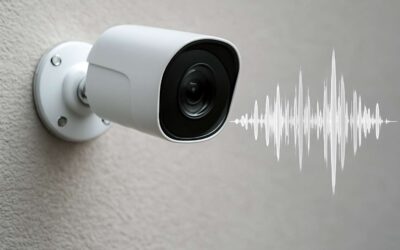
Two-way audio adds a direct voice to your vantage point. It is a tool for both deterrence and daily interaction. A delivery can be directed to a safe drop zone, or an unexpected visitor can be greeted from your phone in another city. In a residential estate, a clear voice asking someone to step away from a gate can de-escalate a situation before it turns physical. The audio quality itself is critical; a crackling speaker undermines your authority, so seek cameras with noise cancellation on the mic and a decent wattage on the speaker to carry across an open yard.
The true power, however, resides in the analytics layer. Artificial intelligence processes the video stream on the edge, categorising objects as people, vehicles, or animals. This allows you to search recorded footage by type, skipping hours of empty parking lots to find the exact minute a van pulled in. Consider these specific capabilities when evaluating a unit:
– Line crossing detection for when an intrusion occurs on a perimeter, regardless of camera angle.
– Activity zones for masking out public sidewalks so you only monitor your private driveway.
– Facial recognition that matches against a whitelist of known family members or staff, flagging unknown faces for review.
These features turn the security camera system from a simple recording device into a decision-making tool. It understands context, filters the noise, and delivers actionable data. For a homeowner in Johannesburg or a retail manager in Cape Town, that means spending less time sifting through clips and more time responding to actual threats. The camera no longer just watches; it tells you exactly what to watch for, and that proactive awareness is the ultimate security upgrade.
Storage Solutions: Cloud vs. Local Recording
Every intelligent feature in your camera is worthless if the footage evaporates before you need it. The storage decision is the quiet foundation of the entire system. Cloud recording offers a redundancy that local drives cannot match, storing your clips offsite and protecting them from theft or sabotage. A burglar who steals your recorder takes your evidence with him. The subscription cost is the price of that peace of mind.
Local recording, using an NVR or microSD card, places the data in your physical control. You pay once for the hardware and avoid monthly fees, a compelling option for long term budgeting. However, you must consider the media lifecycle. Hard drives fail, and memory cards corrupt under constant overwrite cycles. You also become responsible for physical security of the device itself, which often means hiding it in a ceiling or a locked enclosure.
The practical answer lies in a hybrid approach, which many modern units support seamlessly.
– A local drive ensures continuous recording without bandwidth limitations or internet dependency.
– The cloud serves as a critical backup for triggered events, like a human detection or a line crossing.
– This dual layer protects against equipment failure and network outages simultaneously.
The real differentiator is bandwidth. Uploading a continuous 4K stream to the cloud will choke your connection and inflate your data costs. Limiting cloud uploads to event based clips, while keeping local storage rolling, is the only sustainable configuration. The choice is not about which is superior, but about how much resilience you are willing to purchase for the security camera system. Your footage is a historical record of truth; treat its storage with the same gravity as the camera that captures it.
Professional Installation and System Configuration
Preparing Your Home for Camera Placement
Every home has its own pattern of fear and trust. The security camera system you choose is only as honest as its placement, which is why professional installation matters beyond simple convenience. A camera aimed at the wrong angle offers the illusion of protection, not protection itself. In South Africa, where perimeter walls are as much a cultural statement as a physical barrier, configuration demands an understanding of how light, shadow, and human behavior intersect.
Professional installers assess:
- Power sources that require no invasive drilling
- Eaves and rooflines offering weather protection
- Network points strong enough for steady video
- Pathways where an intruder would naturally move
The preparation of your home for camera placement starts before the first screw is turned. It is a patient exercise in seeing your property as a stranger might, someone without your keys or your memories! That is the deeper purpose of configuration, to force honesty about where you are vulnerable.
Strategic Positioning for Maximum Coverage
A security camera system only earns its keep when the placement makes an intruder’s work difficult. Professional installers know that a camera mounted in the open invites tampering, while one tucked high under a eave catches the face of someone who never looks up. Strategic positioning means thinking in three dimensions, not just pointing a lens at a gate. The trade is in angles: a wide view that covers the driveway often sacrifices the detail needed to read a number plate. The solution is layering.
Configuration is a slow dance between coverage and compromise. For most South African properties, the perimeter wall is the first line, and it deserves the most honest scrutiny. Each post presents a blind spot. Each tree throws a shadow that changes with the season.
– Consider the field of view against the depth of field for each camera.
– Identify spots where a person could crouch and remain unobserved.
– Match the height of the mount to the expected distance of the subject.
The best plans account for the vertical reality of a property. A camera aimed at the ground catches feet and a torso, but it also catches the torchlight beam sweeping across the yard. The security camera system becomes truly strategic when it forces an intruder to expose themselves to one lens to avoid another. That is the practical goal, a geometry of inconvenience that turns a simple walk into a difficult decision. Good configuration makes the house feel too loud, too exposed, and too much trouble.
Integrating Cameras with Existing Security Infrastructure
There is a particular silence in a house where the cabling is done properly. When integrating cameras with an existing security infrastructure, the installer becomes a translator, teaching a new voice to speak with the old. The alarm system’s contacts and the camera’s motion sensors must learn to agree on what they see. A good integration uses the existing alarm’s sensors as a trigger, forcing the security camera system to focus its recording or begin a live broadcast.
The true test is in the handshake between components.
– The alarm system must be able to verify its own status to the network.
– A recording schedule can be tied to the operational status of a smart lock.
– The video feed should be able to override a faulty sensor reading with its own verification.
The magic happens when a camera can confirm a door contact’s alarm. The system becomes a conversation about credibility, where an audio feed can differentiate between a branch scraping the glass and a quiet footstep on the patio. A correctly configured installation makes your entire home an articulate witness, one that tells a story without ever needing to leave its chair.
Networking, Wiring, and Power Setup
Professional installation is the point where a design becomes real. The installer walks the property, measures cable runs, and checks every termination point. For the security camera system, the network must be stable. A weak switch or a poorly crimped connector can turn a high resolution feed into a frozen image.
Configuration follows the physical work. The networking layer demands patience. Each camera needs its own address, and the recording server has to know where to look. Power setup is deliberate, especially in South Africa where load shedding interrupts the grid. The installer calculates the total draw and matches it to a backup supply.
- Measure the voltage at the far end of every cable run.
- Confirm the switch can power all cameras without overloading.
- Test the entire system on battery power before leaving the site.
Wiring is a craft. Cable ties, conduit, and pathways keep the security camera system maintainable. Professional installation turns a collection of components into a coherent system.
Optimizing Mobile Apps and Remote Access
Modern life moves at a relentless pace. Your property deserves protection that keeps up without demanding constant attention. This is where professional installation truly shines, transforming a collection of components into a cohesive defense. When experts handle the setup, the entire process shifts from a technical chore into a seamless integration of technology and peace of mind.
Professional installers begin by evaluating your specific environment. They walk the property, identify structural challenges, and determine optimal sightlines for every camera. This preliminary survey is crucial because it eliminates guesswork. Instead of hoping a camera covers a blind spot, the installer knows it does before the first screw is turned. This approach saves time, reduces frustration, and ensures that the final setup operates exactly as intended.
During the physical installation, attention to detail defines the difference between a good system and a great one. Cables are routed securely, and connections are tested individually. The installer then calibrates each lens to account for lighting variations and the specific layout of your space. Motion sensors are tuned to avoid false triggers from passing vehicles or swaying branches. The result is a system that observes with clarity and reacts with intelligence, free from the errors that often plague DIY attempts.
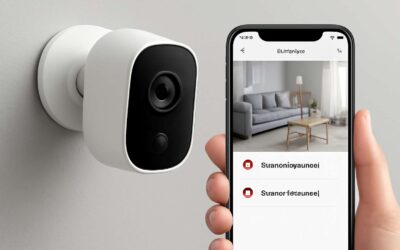
Configuration extends beyond the equipment itself, focusing heavily on the software that powers the security camera system. This is where the ability to monitor remotely comes alive. A professional will integrate your cameras with your smartphone or tablet, creating a dashboard that is intuitive and responsive. You will learn to pull up feeds with a simple swipe, receive alerts that actually matter, and review footage without wrestling with complicated menus. This digital layer is not just an add-on; it is the command center for your entire security operation.
Network reliability forms the backbone of this remote access. A professional will optimize your Wi-Fi coverage or recommend a wired connection for critical devices. They will also ensure that your router and firewall settings do not inadvertently block the necessary data streams. In a country where load shedding is a reality, the installer will connect your system and router to a backup power source. This precaution guarantees that your cameras remain operational when the grid fails, providing continuous coverage when you need it most.
The final step involves a comprehensive walkthrough. The installer will show you how to use every feature, from arming the system from your bedside to granting temporary access to a trusted neighbor. They will also provide guidance on maintaining the system, such as cleaning lenses and checking battery backups. To ensure every aspect is covered, consider these key points during the handover:
– Verify that each camera has a clear, unobstructed view.
– Confirm that mobile alerts are tested and functioning.
– Request a demonstration of the backup power transition.
– Ask for instructions on how to update the system’s firmware.
Once the team has packed up and left, the real benefit becomes apparent. Your security camera system functions as a quiet, reliable sentinel, ready to capture important events and provide evidence when needed. Each component works in harmony, controlled through an interface that feels natural rather than technical. This is the true value of professional installation; it converts a complex purchase into a simple, elegant solution that stands ready to protect what matters most to you. Ultimately, it is the assurance that your property is being watched over with precision, allowing you to live your life without the weight of constant worry.
Maintaining, Privacy, and Future-Proofing Your Surveillance Setup
Regular Maintenance and Firmware Updates
Firmware vulnerabilities are a primary entry point for unauthorised access, with unpatched cameras often compromised within hours of being exposed online. The security camera system demands regular maintenance to ensure this digital sentinel remains loyal to its owner. Beyond simple cleaning of lenses, this means scheduling updates when the system prompts you. Manufacturers release patches to close loopholes and improve performance, so ignoring them weakens your entire surveillance posture. I have seen systems fail not from hardware fatigue, but from neglected software that has become outdated.
Privacy is a separate battleground. Your cameras watch your property, so you must ensure they do not become a window for intruders. Change default passwords immediately. Use complex, unique credentials for each device and the associated app. Enable two-factor authentication wherever possible. These measures prevent outsiders from hijacking your feed. Consider physical privacy too; angle cameras away from neighbours’ windows and public walkways to keep your surveillance ethical and legally sound.
– Regularly check for new firmware versions on the manufacturer’s website.
– Audit your user list and remove dormant accounts.
– Review camera logs for any unauthorised access attempts.
Looking forward, future-proofing your investment requires foresight. Purchase equipment that supports emerging protocols like ONVIF, which ensures compatibility across different brands. This specification allows you to replace or add components without scrapping the whole apparatus. The security camera system you install today should accept upgrades in resolution or storage capacity later. By choosing adaptable hardware and maintaining its software core, you build a resilient network that can grow with your changing safety requirements.
Data Encryption and Privacy Protection Measures
In South Africa, the security camera system captures personal information, placing obligations on you under POPIA. Data encryption is your first defence against unauthorised eyes. Ensure recordings are encrypted in transit and at rest, whether stored locally or in the cloud. Without this, anyone with network access could intercept feeds.
Privacy protection measures extend beyond passwords. Audit which accounts can view footage; each is a potential entry point. Consider physical switches to power down cameras during off hours, giving you manual control.
Future-proofing means choosing cameras that support open standards like ONVIF. This lets you mix brands or upgrade sensors later, ensuring the security camera system remains flexible rather than a proprietary dead end.
Scaling Your System for Changing Security Needs
The true test of any surveillance setup begins long after the installation crew has packed up their ladders. A system that sits neglected is little more than expensive decor. Regular upkeep is the silent partner in your security arrangement, and it involves more than wiping dust from lenses. It means establishing a routine that keeps every component sharp, responsive, and honest.
We often speak of privacy as a static setting, but it is an active discipline. Beyond the encryption measures we discussed earlier, the physical layer deserves your attention. Reviewing stored footage to confirm the cameras are capturing the right angles is a prudent habit. Also, consider the data lifecycle. Establish a clear retention policy; holding onto months of unnecessary recordings creates an unnecessary liability for any South African homeowner or business.
The security camera system you choose today should not paint you into a corner tomorrow. The pace of technological change is unforgiving, and a rigid setup will become a costly relic. Opting for equipment that adheres to open standards is the wisest investment you can make.
– Look for devices that support standard protocols like RTSP or ONVIF.
– Ensure the management software is not locked to a single vendor.
– Confirm firmware updates are released regularly for your specific models.
This approach grants you the freedom to swap out a faulty camera for a different brand without ripping out the entire backbone. It allows you to scale the system as your property needs evolve, adding a sensor here or a new viewing station there, all without a complete overhaul. Your vigilance, paired with adaptable hardware, constructs a defence that remains robust and relevant for years to come.
Understanding Local Legal Considerations
In South Africa, maintaining privacy goes beyond software settings. The Protection of Personal Information Act (POPIA) shapes how you manage footage from the security camera system. A routine review of your recording angles and retention schedules prevents compliance gaps while keeping the hardware honest.
I recommend treating these as fixed points in your upkeep cycle:
- Confirm your signage clearly notifies visitors of active recording.
- Verify that stored footage does not extend beyond your stated business purpose.
- Ensure that requests for footage access are handled according to your POPIA compliance plan.
Future-proofing your hardware aligns with these legal duties. Choosing open standards like ONVIF allows you to replace a failing unit without compromising the data flow. This flexibility keeps the security camera system compliant and current, avoiding the expensive lock-in of proprietary gear. Your legal obligations evolve, and your equipment should adapt without a full rebuild.
Troubleshooting Common Camera Issues
Most owners never touch their cameras until a blind spot appears at the worst possible moment. I have seen the security camera system fail in small, silent ways: a lens smudged by dust, a hinge slipping under the Highveld sun, a sensor that refocuses too slowly at dusk. Troubleshooting begins with the image, not the hardware. Common culprits include:
- Blurry footage caused by water spotting on the housing
- Infrared washout when a nearby wall reflects heat
- Time drift that shifts event records by minutes
Each issue quietly erodes your privacy posture. A degraded recording from the security camera system may fail to meet POPIA requirements for accuracy and purpose. Future-proofing means selecting components you can service without replacing the whole chain. Open interfaces allow a new lens or sensor to fit without recalibrating your entire network. That flexibility keeps your coverage honest and your compliance intact.
Upgrading to Smart Home Integration
Upgrading your home to a smart ecosystem often begins with a single device, but the real transformation happens when the security camera system joins the network. A standalone camera offers a glimpse of your driveway. A connected one becomes part of a living, breathing infrastructure that reacts to your presence, your schedule, and the unique rhythm of your household.
The transition, however, is rarely about swapping hardware. It is about cohesion. Old analog systems or isolated IP cameras speak a different language than your new smart speaker or digital door lock. When you upgrade, you are not just buying new lenses; you are building a central nervous system for your property. The security camera system becomes the sensory organ, feeding data to a hub that then triggers lights, locks, and alarms without a single command from you.
Consider the practical implications of this integration. In a country where load shedding remains a reality, your camera’s ability to communicate with a backup power source is critical. A smart system can switch to battery mode, reduce recording resolution to conserve energy, and still send a push notification to your phone during a blackout. That level of coordination is impossible with separate, unconnected devices.
Furthermore, integration offers a hidden layer of protection that many overlook: correlation. A camera at the gate detects motion, but is it a person or a stray dog? By linking the visual feed with a smart motion sensor in the garden, the system can cross-reference the data. It will only alert you if both devices trigger simultaneously. This reduces false alarms significantly, which is vital for maintaining a responsive monitoring service without paying for unnecessary callouts.
To get the most from this upgrade, the modern system serves as more than a visual recorder. It operates as an active guardian:
– Instant Automation: Cameras trigger interior lights when you arrive, simulating presence even when you are away.
– Two-Way Communication: Speak through the camera to deter a delivery driver or welcome a guest without opening the door.
– Unified Interface: Control the entire property from a single app, avoiding the chaos of multiple passwords and dashboards.
One of the most significant, yet understated, benefits of smart integration is the impact on your home insurance premiums. Many South African insurers now offer discounts for systems that include remote monitoring and automated response features. A security camera system that is merely recording does little to prevent a break-in. One that alerts you instantly and engages your neighbourhood watch group via a smart speaker provides a tangible, documented risk reduction. This shifts your coverage from reactive to proactive, a distinction insurers value.
The path forward requires planning. You may need a stronger Wi-Fi router to handle the extra traffic, or you might consider a mesh network to cover the perimeter. Your old cables might need upgrading to Power over Ethernet (PoE) for cleaner installation. But the effort yields a property that listens, speaks, and responds. It transforms a passive set of lenses into an active layer of defence, designed for the realities of modern South African living.
0 Comments