
Home Security and Family Protection
Deterring Burglaries and Break-Ins
Every 30 seconds, a South African household experiences a break-in. That thought keeps parents awake at night. I have seen the look on a farmer’s face after burglars stripped his shed. The cameras we installed recorded the crime and also stopped it from happening again.
Visible security camera uses change criminal behavior. Burglars scout properties for vulnerability. A camera near the gate or front door sends a clear signal. This home is watched! This home is not an easy target. The psychological weight of being recorded often pushes intruders toward a softer option.
- Cameras at eye level near entry points
- Lights positioned to illuminate the lens
- One camera pointed toward the street to capture approach patterns
That lighting and placement make the system obvious. A hidden camera catches thieves, but a visible one prevents the attempt. For families, prevention matters more than prosecution.
Monitoring Package Deliveries and Porch Theft
Porch piracy now accounts for nearly one in four delivery losses in South Africa. A single missing package can disrupt a family’s entire week. Security camera uses for home protection create a reliable record of comings and goings. This footage shows when children arrive home and when a courier drops off an order.
Package deliveries have grown, and so have opportunistic thefts. A visible camera near the doorstep changes those odds.
Common targets stolen from porches:
- Smartphones and laptops
- Groceries and meal kits
- Clothing and shoes
Each recorded theft gives you a clear image of the offender and the vehicle used. These security camera uses support insurance claims and police reports. For families, the footage also confirms when a package actually arrived, removing disputes with sellers.
Keeping an Eye on Children and Pets
On a sprawling Karoo plot, the boundary between safe and unsafe blurs with the afternoon light. A child lopes toward the fence, a dog sniffs at the gate. These moments demand attention that a single parent cannot always provide. Security camera uses extend beyond theft prevention. They become a reliable means of observing a family’s daily movements.
For many households, watching children at play is the primary reason for installing a system. The footage reveals patterns in where they linger or how quickly they respond to a call. I know the relief of checking a feed to see a child safe! Pets, too, benefit from this steady oversight. An anxious hound that slips through a broken latch appears on screen before worry settles in.
Observed patterns:
- time spent near the perimeter
- interactions with unfamiliar vehicles
- changes in an animal’s routine
These security camera uses reveal a home’s daily rhythm.
Checking on Elderly or Vulnerable Family Members
Nearly 30% of South African seniors live alone in rural areas, where a missed step can go unnoticed for hours. For families, security camera uses extend to a quiet vigilance over ageing parents. A camera in the kitchen or hallway shows daily routines.
I recall checking the feed to see my father’s kettle steaming at his usual hour. Such small confirmations carry immense relief. Vulnerable family members, those recovering or frail, gain protection without losing independence.
- detecting a fall in the garden
- noting missed medication times
- observing unusual inactivity
These cues prompt a quick call, not an intrusion. The footage reveals patterns, helping families intervene before a crisis builds.
Business and Retail Surveillance
Preventing Internal Theft and Employee Misconduct
Nearly 30% of inventory shrinkage in South African retail stems from internal actors rather than external theft. This number exposes an uncomfortable truth about workplace trust. A security camera uses its presence to alter behaviour before any wrongdoing occurs. Employees who know their actions are observed tend to pause before rationalising that unauthorised discount or missing stockroom item. The camera does not need to catch every incident, it only needs to make the choice visible to the person making it.
This shifts the psychological equation from temptation to consequence. For a manager, the footage becomes a neutral arbiter in disputes over till shortages or timekeeping discrepancies. It answers the question of who did what without relying on memory or loyalty. Beyond the warehouse, consider how surveillance reinforces conduct standards:
– Tills and point of sale areas for cash handling audits
– Break rooms for checking adherence to scheduled rest periods
– Stockrooms to verify inventory movement against digital records
The quiet awareness of being watched often dissolves the small lies that erode workplace culture. When misconduct does occur, the footage serves as cold evidence, stripping away excuses. This transparency is not about suspicion; it is about creating a shared reality where accountability is automatic and trust can be rebuilt on a foundation of verified facts.
Reducing Shoplifting and External Loss
South African retailers lose an estimated R10 billion annually to shoplifting and external theft. Security camera uses in retail go beyond passive observation. A camera at the entrance captures faces, while overhead units track movement through high-risk aisles like cosmetics and electronics. At pay points, wide lenses monitor transactions for ticket switchingning and till snatching.
- Entrances and exits to match faces with visit patterns
- Self-checkout zones to spot scan avoidance
- High-value shelves for continuous coverage
When shoplifters notice cameras, most reconsider the risk instantly. The bold minority gets caught on footage that supplies evidence for prosecution. Stores also use these recordings to identify repeat offenders across branches. A visible camera makes theft a higher-risk action. This awareness alone reduces external loss significantly. For retail managers, such a visible deterrent translates directly into fewer stock losses.
Monitoring Customer Traffic and Behavior
The typical shopper makes 70 percent of purchase decisions inside the store. That momentary pause, the gaze, the reach ahead is consumer intent made visible. Retail surveillance captures this moment carefully. Footage of aisle dwell time reveals which displays attract attention and which get ignored. Security camera uses extend beyond protecting stock; they illuminate customer flow patterns. Studying navigation routes and dwell time lets management reposition products, adjust staff at pay points, and design layouts that feel intuitive.
A ceiling camera is also a behavioral log. The way we walk, stop, retreat, bypass, describes our priorities better than any survey. In South African retail floors, that insight guides store operations. Store planners who watch this footage learn where to place high-margin items, how to speed congestion areas, when to open extra tills. These security camera uses turn raw footage into actionable knowledge!
Reviewing Incidents and Resolving Disputes
A manager hears two conflicting versions of the same incident. An employee insists they handed over the correct change. A customer, arms crossed, demands a refund for a transaction they claim never happened. The argument stalls, voices rise, and the atmosphere sours. Footage from a ceiling camera resolves the impasse in seconds. A few minutes of video shows the note handed over, the cash dispensed, the receipt issued. It is no longer one person’s word against another’s. It is simply a record.
Retail disputes extend beyond the till point. A slip on a wet floor, a collision between trolleys, a suspected altercation in the parking lot. Security footage provides the context. It shows a staff member who mopped the floor and placed a warning sign, or it reveals a spill left unnoticed for an hour. This clarity is vital for insurance claims and third party liability. The business either has proof of diligence or evidence of a gap in procedure.
Footage also safeguards staff integrity. Accusations of verbal abuse or rough handling in the stockroom are difficult to deflect without an objective witness. The camera acts as that witness. A quick review can exonerate a good employee and flag a problematic one. The truth is in the frames. Your team feels protected when they know the camera will back them up.
This objective record changes how you handle conflict. It removes guesswork from the equation. You transition from mediator to judge, armed with visuals. Here is what a typical dispute resolution checklist looks like:
– Identify the time and location of the incident.
– Retrieve the multi angle footage from the relevant camera.
– Review the sequence to establish the sequence of events.
– Compare the visual record against witness statements.
– Call the parties back with the findings on the screen.
A single camera angle can mislead. Overhead views might miss a hand signal or a dropped item behind a counter. A comprehensive system with varied sightlines captures the full picture. This is one of the most critical security camera uses, providing a chronology to settle civil matters without legal escalation. For the South African retail environment, where load shedding creates moments of darkness and confusion, a system with reliable backup power is not a luxury. It is the only way to ensure the record remains unbroken when the lights flicker. The footage sits there, waiting, ready to speak when the arguments begin.
Enhancing Workplace Safety and Compliance
Retail floor incidents cost South African businesses millions each year, often in hidden claims and lost productivity. A single trip over an extension cord or a fall from an unstable ladder can trigger a costly compensation process. The most pragmatic security camera uses extend beyond theft prevention; they document the workplace environment itself. Footage reveals whether a walkway was clear, a spill was marked, or a safety gate was operational. This visual ledger is a compliance cornerstone. It shows auditors and inspectors that protocols exist and were followed. More importantly, it builds a culture of accountability. When staff know the camera observes the back room and the stockroom, they handle equipment with care and follow the safety manual. The recorded history provides a training reference. New employees see correct procedures in action, not just on paper. Compliance becomes a demonstrated habit rather than a written aspiration. The camera system verifies that the cold chain held, the fire exit remained unobstructed, and the floor dried within the hour. This is how a business proves its diligence. For the South African retailer facing regular power interruptions, this continuous record depends on battery backup and robust storage. The footage stands as a silent inspector, capturing the daily reality of the operation.
Remote Monitoring and Smart Integration
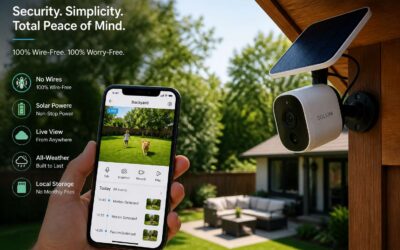
Live Viewing From Anywhere via Mobile Apps
Standing on a Cape Town balcony, I can still watch a storage unit in Gqeberha. This is the practical value of security camera uses. The mobile app delivers live video to my phone, allowing me to check any feed instantly, no matter the distance. It is a simple process that requires no technical expertise.
Smart integration expands this capability. The camera system can communicate with home automation hubs, turning on outdoor lights or locking gates automatically. I find the high-resolution stream reassuring when I am away for several days. I appreciate the ability to check in without calling anyone.
- Recorded footage is accessible without a separate computer.
- Camera angles adjust remotely with a simple swipe.
- Motion alerts push directly to your phone.
These functions enable a reliable sense of presence. You observe and respond to changes in real time, all from a handheld device. This is particularly useful when you are travelling or managing multiple properties.
Integrating With Smart Home Ecosystems
Security camera uses in South African smart homes have evolved beyond watching a single feed. Your camera can now coordinate the entire property. In Pretoria, many homeowners link their cameras to automated gate motors and outdoor lighting. When the camera detects motion, the gate locks and the lights switch on.
The integration works with climate control too. A camera in the hallway can signal the smart thermostat when you arrive home, adjusting the temperature before you enter. I find this seamless connection genuinely useful.
Homeowners often set automation rules:
- Activate alarm systems when no movement is detected
- Turn on indoor lights during load shedding
- Send video clips to your phone when gates open
These security camera uses create a responsive environment where every device works together.
Using Motion Alerts for Instant Notifications
Motion alerts change how a camera watches your property. When someone crosses your boundary in Durban, the camera sends an instant notification to your phone. No need to watch the live feed constantly. The system does the watching!
These security camera uses excel in precision. A discerning sensor distinguishes between a stray cat and a person approaching the door. You receive a clip, not a blurry thumbnail. I’ve tested systems that send the alert within two seconds of the trigger. The speed matters more than most realise.
For businesses, motion alerts flag unusual activity after hours. For homeowners, they provide vigilance while you sleep. Your phone buzzes with a clear image before the situation escalates. That speed determines what happens next.
Two-Way Audio for Real-Time Communication
Remote monitoring with two-way audio turns a passive feed into a conversation. The same security camera uses that protect a warehouse can help you speak to a technician arriving after hours, or caution a lost traveller on a farm driveway. Voice travels both ways, clear enough to resolve confusion before it becomes a problem.
A single camera in the right spot does more than record. It lets you answer the gate from your desk, or greet a supplier before they reach the door. You can:
- Redirect a delivery driver to the correct entrance.
- Warn a child away from a restricted area.
- Reassure a staff member working late.
In rural areas, where distances stretch and help takes time, speaking through a camera adds a human layer to security. These security camera uses help families stay connected across the property. For businesses, the same two-way audio keeps access points managed without extra staff.
Cloud Storage and Footage Accessibility
Remote monitoring changes how you manage multiple locations. A camera in Cape Town and another in Gqeberha can be reviewed from one screen. Smart integration links those cameras to your access control, alarm system, and even your electric fencing. When a camera detects motion, it can trigger a response, such as locking a perimeter gate or switching on interior lights. These security camera uses move past passive recording into active control!
Cloud storage and footage accessibility keep that footage usable. Theft, fire, and load shedding can destroy on-site records. In our experience, a cloud system uploads continuously and stores video off-site, so nothing is lost when hardware fails. Authorised staff can retrieve clips from any connected device.
- Search motion events quickly.
- Share exact evidence with insurers or the SAPS.
- Access footage while visiting another site.
This resilience makes security camera uses more reliable for daily operations.
Public Safety and Community Applications
Monitoring Neighborhood Watch Areas
Neighborhood watch schemes in South Africa rely on shared awareness. A camera mounted on a boundary wall does more than record a street; it anchors a collective memory. When suspicious activity appears at odd hours, residents can compare time-stamped footage and coordinate with patrollers or private security companies. This is one of the practical security camera uses that often goes unmentioned in product manuals. The footage supports statements, confirms sightings, and gives the entire street a factual baseline. Groups that pool footage:
– verify vehicle descriptions
– log gate and entrance activity
– share evidence with law enforcement
Neighbouring households become collaborators rather than isolated observers. The camera reduces uncertainty, allowing a community to respond with confidence instead of guesswork across a long, quiet evening.
Parking Lot and Garage Surveillance
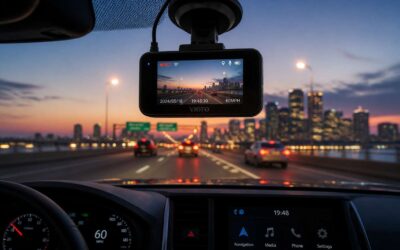
Parking lots and garages are high risk zones for vehicle crime in South Africa, especially in urban centres. A camera mounted at an entrance or on a support pillar records the flow of traffic and the behaviour of people who linger between rows. One of the clearest security camera uses is capturing the movement of cars in dimly lit areas, which allows security teams to resolve incidents that would otherwise remain speculative:
- tracing hit and run vehicles by their registration
- verifying whether a vehicle was damaged before arrival
- monitoring stairwells and elevators that connect to the garage
Beyond the crime prevention aspect, these cameras reduce the anxiety people feel when walking back to their car at night. The footage gives management a tool to respond quickly and fairly to any complaint. This is one of the security camera uses that builds trust, and I have seen it firsthand!
Traffic and Intersection Monitoring
Traffic and intersection monitoring places security camera uses at the centre of public safety. In South African cities, intersections are where road rage, pedestrian incidents, and reckless driving converge. A camera trained on an approach captures the sequence of events with clarity that eyewitness accounts rarely match.
The footage allows authorities to reconstruct collisions and verify who had the right of way. It also becomes a tool for managing crowd flow during protests or events. For example, the recordings help with:
- documenting the moments before a crash
- tracking vehicles that flee the scene
- identifying patterns of repeat offenders
These security camera uses turn a passive device into a practical resource for street level governance. When people know the crossing is watched, they drive with more discipline. The data also feeds into traffic light timing, easing congestion in busy corridors. This is how a camera contributes directly to the safety of the public realm.
Gathering Evidence for Law Enforcement
CCTV footage has quietly become one of the most persuasive voices in a courtroom. In South Africa, where violent crime statistics often outpace the capacity for thorough investigation, a single recorded sequence can provide the objective facts needed to build a case. The practical security camera uses extend well beyond deterrence, offering a point-by-point record that stands up to the scrutiny of cross examination.
When a suspect claims mistaken identity or an alibi fails, the camera does not argue. It simply shows the events as they happened. For law enforcement, this means more time spent on actual leads and less on he-said-she-said. A clear image of a number plate or a distinguishing piece of clothing can turn a random accusation into a solid lead. The footage assists with: identifying suspects with certainty, corroborating witness statements and timelines, and providing a timeline for prosecution preparation. That clarity gives communities a tangible reason to trust the justice process, knowing the evidence speaks in facts rather than memory.
Specialized Uses for Specific Environments
Construction Site and Asset Protection
Construction sites are transient landscapes where bolts, copper wiring, and heavy machinery hold immense value. Security camera uses extend far beyond simple observation, especially when managing sprawling sites after hours. I once watched a contractor lose an entire shipment of steel fittings because the lone camera near the entrance missed the side boundary. For asset protection, position cameras on:
- Access routes
- Material storage zones
- Vehicle entry points
That lesson shapes how I advise clients today. A year of footage can also support insurance claims when equipment vanishes. Sites shift as foundations rise, so reposition cameras every few weeks. This adaptability is what makes modern surveillance so potent!
Warehouse Inventory Tracking and Loss Prevention
Warehouse inventory tracking reveals how often goods shift without a formal record. In South Africa, where logistics keep cities alive, a missing carton can unravel a whole week’s plan. Security camera uses here are less about deterrence and more about verification. They confirm whether the record matches reality.
Place cameras where the action shifts:
- Along the receiving bay during off-peak hours
- Above the high-value racking zones
- At the point where goods leave the floor
Loss prevention depends on these subtle observations. One supervisor I know reviewed footage to prove that a worker had placed boxes on the wrong shelf, not stolen them. The footage saved a reputation and a job. A well placed camera does that without a word.
Farm and Agricultural Monitoring
On a South African farm, a single night can erase a season’s work. Security camera uses on agricultural land go beyond alarm systems. They capture the quiet details: water levels, gate positions, herd behavior.
I once reviewed footage that showed a gate left ajar. A prized bull wandered toward the highway at 2 a.m. The camera caught it, and the owner was alerted.
- Place cameras at boreholes to track drinking habits
- Mount one above feed storage to monitor usage
- Set a wide angle on the main kraal for herd movement
This approach turns footage into a daily management record, not an alarm. The value is in the details that save livestock.
Marine and Docking Area Security
Along South Africa’s coastline, the marina presents a challenge unlike any other security environment. Salt spray corrodes equipment, and darkness hides activity on the water. Security camera uses in docking areas extend beyond theft prevention to include weather monitoring and vessel condition checks. A camera fixed on the slipway catches the moment a hull takes on water. Another trained on the fuel dock records every litre dispensed, reducing disputes with skippers.
Consider where the blind spots form:
– Position cameras to cover the gangway and the fuel dock
– Mount one at the entrance to the dry stack storage area
– Angle another toward the harbour mouth to track incoming vessels at night
The footage builds a record of who comes and goes, when, and under what conditions. That record protects both the marina operator and the boat owner.
School Campus and Playground Safety
In South African schools, the morning rush creates a familiar chaos. A camera at the main gate captures every vehicle entering the grounds, transforming how administrators manage access. School security camera uses extend beyond the front office.
We find the playground deserves particular attention. Fixed cameras on poles provide constant watch over climbing frames and open fields, deterring bullying and documenting accidents. Yet quiet corners near the sports equipment shed often become blind spots. Position additional units where supervision naturally lapses:
- The pathway behind the changerooms
- The loading zone near the kitchen entrance
- The tree line along the back fence
A camera overlooking staff parking catches after-hours trespassers. Another trained on the perimeter wall records anyone attempting to scale it. When a child returns home with a scrape and a story, the principal can review the actual sequence of events. That clarity builds trust between families and the school!
Healthcare Facility Monitoring and Patient Safety
At 2 AM, a postoperative patient wanders from the ward, disoriented. The night nurse has thirty seconds to locate her before she reaches the stairwell. This is where security camera uses prove their value.
In South African hospitals, corridor cameras track movement patterns without intruding on dignity. Staff can spot a fall, a confused patient, or an unauthorised visitor in real time. Footage also settles disputes about care quality.
Restricted access areas deserve focused coverage. A camera at the pharmacy door records every entry, and that log protects both patients and employees. Consider these monitoring priorities:
- Infusion pump storage rooms
- The maternity ward exit
- Isolation unit entrances
- Visitor waiting areas
These security camera uses in healthcare extend beyond theft prevention. They protect the vulnerable, and that matters when every second counts.
0 Comments