
Dome covers for security cameras: a practical guide
Dome cover fundamentals
South Africa enjoys around 250 sunny days annually, and that brightness can turn security footage into a blizzard of glare—unless the right dome cover is in place.
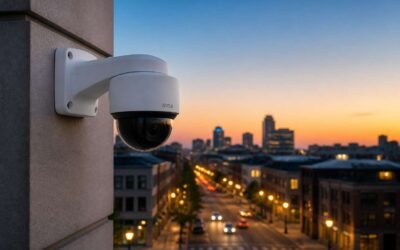
A quality security camera dome cover shields lens from dust, rain, and curious fingers, while curbing glare and concealing the camera’s silhouette from passersby. For SA installers, choosing UV-stable, dust-rated materials matters more than flashiness!
- Material durability and UV resistance
- Dust and water ingress protection (IP rating)
- Sun glare reduction and vandal-deterrent design
Fundamentals like fit, weather exposure, and aesthetics guide selection; the right dome cover keeps cameras compliant with SA’s harsh conditions while staying discreet enough for urban streets.
Materials and durability
South Africa enjoys around 250 sunny days each year, and that brightness can turn security footage into a glare-filled tableau—unless the right security camera dome cover is in place. A quality dome cover shields the lens from dust, rain, and curious fingers, while tempering glare and concealing the camera’s silhouette from passersby. The result is footage that remains legible and discreet in urban streets.
Materials and durability guide the choice: UV-stable polymers resist yellowing, and I’ve watched glare swallow detail on a sun-drenched street—so these materials matter. An IP-rated seal guards against rain and dust, and a sun-loving finish deters vandal attempts by reducing surface glare that could reveal the lens.
Key elements include:
- UV-stable polycarbonate or reinforced polymers
- IP rating (e.g., IP66) for dust and water ingress protection
- Vandal-deterrent design with glare-reducing finishes
The right dome cover blends fit, resilience, and discreet aesthetics, keeping cameras compliant with SA’s harsh conditions while remaining tasteful in the urban fabric. This security camera dome cover remains a quiet guardian of footage.
Sizing, compatibility, and installation
Across South Africa’s sunlit streets, glare can erase faces and details in an instant. A well-sized dome shields the lens like a velvet veil, preserving legibility while maintaining discretion. The security camera dome cover stands as a quiet guardian amid bright days.
Sizing, compatibility, and installation form a triad that ensures the dome fits the housing, respects the lens arc, and remains weather-ready. When these factors align, the camera maintains a crisp, distraction-free silhouette even in blazing daylight.
Always consult manufacturer specs and choose a model that matches your camera’s footprint and climate. A thoughtful dome cover blends with the street, controlling glare without drawing attention to itself.
From the veld to the city, it stands as a silent sentinel.
Maintenance, security, and compliance
Across South Africa’s sun-drenched streets, glare can erase a face in moments. “The lens is saved by its cover,” says a seasoned installer, and the security camera dome cover often decides whether a moment is readable or forgotten.
Maintenance isn’t flashy, but it’s fundamental. A steady regimen—keeping lenses free of dust, monitoring wear, and preserving weather seals—helps keep edges crisp.
Beyond upkeep, compliance matters. A wisely chosen security camera dome cover balances glare control with privacy, aligning with POPIA guidelines and local regulations to keep footage respectful and usable.
From veld to city, the dome remains a silent guardian, preserving detail and discretion without fanfare.
0 Comments