
Understanding Surveillance Camera Systems for Property Protection
What is a CCTV setup and its core purposes
Security is a quiet moral choice, a phrase I return to when designing a cctv security camera system for a property. Understanding Surveillance Camera Systems for Property Protection means more than choosing lenses; it means mapping how sight becomes accountability. A CCTV setup protects people, assets, and peace of mind by turning space into a watched, careful partner rather than a blank risk.
Core purposes emerge from that premise:
- Deterrence through visible presence
- Evidence and accountability for investigations
- Remote monitoring and rapid response
In South Africa, where urban bustle meets unpredictable risk, a cctv security camera system should scale with your property and protect livelihoods without erasing dignity. Thoughtful placement, privacy by design, and clear data controls turn surveillance into stewardship—a companion that watches so neighbors can sleep at night.
Analog vs IP: how camera data is captured and transmitted
In the night-silent streets of SA, a cctv security camera system can do more than watch — it listens with data as evidence and deterrent.
Understanding Surveillance Camera Systems for Property Protection, the choice between Analog and IP is about how camera data is captured and transmitted: from coaxial trails to digital packets across a network.
- Analog cameras use coaxial cables to feed a constant video stream into a DVR.
- IP cameras digitize footage and send it over a network to an NVR or cloud, enabling remote access.
- Hybrid setups blend both, offering a bridge between legacy systems and modern analytics.
In practice, IP-enabled CCTV often scales with property size and supports smarter privacy controls.
The flow of data turns sight into accountability, keeping neighborhoods vigilant without erasing dignity.
DVR vs NVR: recording solutions and implications for security
South Africa’s security landscape is diverse, and a cctv security camera system is more than hardware—it’s data that can shape outcomes. “Footage only helps if it gets acted on,” a security director says. When reliable, response times shrink and accountability grows.
Recording solutions hinge on DVR vs NVR choices. DVRs stay on-site, using coax and delivering a continuous video stream to a local recorder. NVRs, by contrast, feed IP cameras over a network to an NVR or cloud, unlocking scalable storage and smart analytics that travel with the site as it grows.
For property protection, consider these essentials:
- DVRs vs NVRs: the backbone of data capture and where the data lives
- Storage strategy: local drives versus cloud backups and redundancy
- Access controls: privacy settings, user roles, and audit trails
Hybrid options bridge legacy systems with modern analytics, delivering a cctv security camera system that scales while preserving dignity and privacy.
Placement strategies: maximizing coverage and minimizing blind spots
“Footage only helps if it gets acted on,” a security director says. In South Africa’s diverse security landscape, a cctv security camera system is more than hardware—it’s a living map of risk guiding where to watch and when to respond.
Placement strategies turn space into a sentinel. Maximize coverage, minimize blind spots, and let each lens tell a story of safety. Consider these placements:
- Entrances and lobbies as early-awareness nodes
- Perimeter corners and fencing to close gaps
- Parking areas and walkways to address glare and shadows
- Loading docks and service corridors to deter tailgating
With deliberate positioning, the system becomes a guardian that sees more by preserving dignity and privacy as growth continues.
Key terms you should know: lenses, resolution, frame rate, and compression
“Footage only helps if it’s acted on,” a security director says. In South Africa’s diverse risk landscape, a cctv security camera system goes beyond hardware—it’s a living map that guides where to watch and when to respond.
Understanding surveillance starts with four pillars: lenses, resolution, frame rate, and compression. Lenses determine what the system can see; resolution defines detail; frame rate affects motion clarity; compression manages storage and bandwidth.
- lenses
- resolution
- frame rate
- compression
When these elements are balanced, footage becomes actionable intelligence that supports swift, measured responses and helps shape where to watch and when to respond—protecting property without eroding privacy. The cctv security camera system thus mirrors a vigilant observer in South Africa’s evolving security landscape.
Core Features and Components
Cameras and lenses: resolution, night vision, and field of view
In securing spaces across South Africa, a camera setup that speaks softly but clearly is often more deterrent than a velvet rope. A seasoned consultant reminds clients, “Visibility is the quietest form of insurance.” That idea anchors the core features of a cctv security camera system.
Cameras and lenses: resolution, night vision, and field of view. High resolution reveals details you’ll actually need at review—think faces and number plates. Night vision extends protection after dusk, while a well-chosen field of view reduces blind spots without saturating the scene.
- Resolution tiers that match your security goals (1080p, 4K)
- Night vision range and infrared comfort in variable SA lighting
- Field of view angles from narrow to ultra-wide for coverage balance
With this trio, the system becomes a storytelling tool rather than a gadget—crisp, immersive, and respectful of ambient conditions. This cctv security camera system excels in environments from retail to campus.
Recording and storage options: local vs cloud
Footage is the loudest whisper of truth, especially in South Africa where every corridor tells a story after hours. A crisp cctv security camera system turns that whisper into actionable insight, and 90 seconds of clear video can outpace a thousand excuses. As a seasoned consultant puts it: “Visibility is the quietest form of insurance.”
Core features and components bring that whisper into focus: robust recording and versatile storage options. Local storage on NVR/DVR keeps data close to the action and alerts you to trouble in real time, while cloud storage scales with your needs and provides off-site redundancy. Data should be encrypted and POPIA-compliant to protect privacy and ensure compliance.
Recording and storage options include:
- Local on-site storage (NVR/DVR) with redundancy
- Cloud storage with end-to-end encryption and access controls
- Hybrid solutions balancing cost, bandwidth, and retention needs
Together, these elements ensure the system acts as a reliable witness in environments from retail to campus, speaking softly but clearly while respecting ambient conditions.
Remote access and mobile app integration
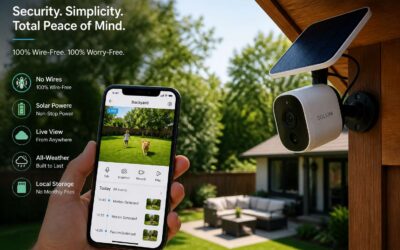
Remote access is more than convenience; it’s a strategic edge that keeps your finger on the pulse from anywhere in South Africa. A strong cctv security camera system pairs live video with a mobile app you can trust, turning late-night corridors into monitored spaces rather than shadows. Quick thumbnails, on-screen analytics, and push alerts translate silence into actionable warnings, often before a breach becomes a headline.
- Secure remote login with device- and location-based access controls
- Intuitive mobile app with real-time alerts, playback, and PTZ control
- Cross-platform viewing on phones, tablets, and desktops with consistent encryption
These features translate into quicker responses and steadier oversight, turning scattered alerts into coordinated action across sites—retail, campuses, and office blocks alike.
Power and connectivity considerations: PoE, wireless, and backup power
Power is the heartbeat of surveillance in a cctv security camera system. Reliable power and robust connectivity aren’t afterthoughts—they’re the foundational gear that keeps cameras watching during a blackout and alerts buzzing in real time. PoE powers cameras and carries data on a single cable, trimming install time and reducing failure points. Wireless backhaul adds agility for sprawling sites, though it benefits from thoughtful topology and spare capacity. Backup power, whether UPS units or solar-assisted packs, keeps recording and remote access alive when the grid falters.
- PoE powers and data over one cable, trimming install time in a cctv security camera system.
- Wireless backhaul adds flexibility for sprawling sites with built-in redundancy.
- Backup power keeps recording and alerts flowing through outages.
In South Africa’s varied landscapes, these elements translate to steadier oversight across retail, campuses, and office blocks, ensuring critical zones stay monitored even when conditions are trying.
Integration with existing security systems
A cctv security camera system thrives when its core features harmonize with the guardrails you already lean on—from access control to alarm panels and building management software. When data flows in a single, coherent stream, blind spots shrink and real-time alerts become second nature.
- Unified dashboards that fuse video, access, and alarms into one clear view
- Open-standards interfaces that slipstream integration with existing security platforms
- Edge processing and hybrid storage that keep important footage close to action
On South Africa’s diverse campuses, malls, and office parks, thoughtful integration means less downtime and more uptime, rain or shine. It’s the quiet conductor that keeps teams aligned, whether safeguarding peak hours or late-night operations.
Security and Privacy Considerations
Legal and privacy considerations for surveillance
In South Africa, any surveillance footprint demands vigilance and privacy. A well-designed cctv security camera system deters crime while honoring legal boundaries and the right to privacy. As a security veteran reminds me, “Security is a conversation with the future”—consider who’s recorded, for what, and how long.
Legal compliance hinges on clear governance and minimal intrusion. The following guardrails help protect people while preserving the benefits of monitoring:
- Notice and signage informing people about cameras and purposes
- Data minimization with defined retention periods
- Strict access controls and encrypted storage to prevent unauthorized viewing
In practice, privacy and security coexist when management audits, staff training, and vendor transparency underpin the setup. This approach aligns with POPIA and respects the dignity of individuals captured on a cctv security camera system.
Data security: encryption, access controls, and firmware updates
Security is not a spell you cast and forget. In a cctv security camera system, data protection is non-negotiable—encryption acts as the velvet rope that keeps intent clear and intruders out.
Data-in-transit and data-at-rest must be encrypted, and access controls should follow the principle of least privilege. Regular firmware updates seal vulnerabilities before they become headlines. In South Africa, this approach nods to POPIA while preserving the dignity of those captured.
- Encryption at rest and in transit
- Role-based access controls
- Timely firmware and patch management
Analytics and smart features: motion detection, analytics, and notifications
Privacy is the new perimeter, and the cctv security camera system should defend it, not debunk it. A seasoned SA security consultant quipped, “Privacy is the oxygen of modern surveillance.” Motion detection and analytics turn footage into thoughtful alerts, preserving dignity in public spaces while keeping mischief at bay!
Smart features work best when privacy is design, not an afterthought. Implement zones, selective analytics, and discreet notifications; prefer on-device processing and encrypted data in transit and at rest. When the approach aligns with POPIA, the system earns trust and proves that safety can be elegant rather than intrusive.
- Privacy zones and masking
- Event-based alerts and consent-aware notifications
- Data retention aligned with legal requirements
In a South African setting, a well-tuned cctv security camera system balances vigilance with restraint, letting you monitor what matters without overstepping.
Compliance with local regulations and signage requirements
Privacy is the oxygen of modern surveillance, and in South Africa the cctv security camera system must breathe in harmony with the law. POPIA frames expectations like gates and lenses: watchful, lawful, and respectful. Signage isn’t decor; it’s consent in plain sight—clear notices at entrances, visible contact details, and stated purposes. The result is vigilance that dignifies spaces rather than invades them.
- Clear signage at entry points and throughout monitored areas
- Retention policies aligned with statutory and contract requirements
- Access controls and audit trails to protect footage
- Procedures for data subject rights and inquiries
When compliance and clarity align, the system earns trust and becomes a quiet guardian.
Data retention policies and audit trails
“Visibility is the first line of defense,” a seasoned auditor likes to say. In South Africa, that truth scales with a cctv security camera system that honors privacy as it records truth.
Data retention policies and audit trails guard the corridor between memory and accountability. Footage lives only as long as it serves the purpose, yet every login, export, or view leaves a trace—immutable and time-stamped—to deter doubt and prove intent.
- Retention windows that reflect legal constraints and contract specifics
- Tamper-evident access logs with precise time stamps
- Controlled archiving and deletion records for footage
When retention and governance align, surveillance becomes a quiet guardian rather than a loud watcher. The system breathes with discretion, ready to assist investigations while preserving dignity.
Choosing, Installing, and Maintaining a System
Assessing site needs: coverage area, numbers of cameras, and budget
In South Africa, a well-planned cctv security camera system can cut nighttime incidents by a notable margin, giving you peace of mind. Walking the boundaries at dawn and dusk, map entrances and sheds, and imagine typical activity across the veld. The goal is clear coverage, not unnecessary gadgetry!
Installing it should respect local conditions and power options. Think about weatherproof housings, discreet wiring routes, and reliable connectivity. Keep maintenance simple with accessible recordings and easy lens cleaning, so family members can check in from the road.
- Coverage area
- Numbers of cameras
- Budget
Maintaining a system becomes part of daily life: check firmware, test alerts, and ensure signage aligns with local norms. A steady routine keeps the cctv security camera system effective without turning into a chore for a busy household.
Selecting a system type: standalone vs integrated with smart home
Across South Africa, safety hinges on what you can see at night. A well-curated cctv security camera system can cut nighttime incidents by a notable margin, gifting peace of mind as the day breaks. Some communities report reductions near 30% after thoughtful setup.
Choosing begins with a simple question: standalone or integrated with a smart home? Weigh weatherproof housings, discreet wiring routes, and dependable connectivity.
- Standalone vs integrated with smart home
- Weatherproof housings and discreet wiring
- Power and connectivity options
Installing honors South African conditions—consider weather, power backup, and secure cable paths. A compact, tamper-resistant cabinet and PoE or wireless choices keep the system tidy and reliable.
Maintaining a system should be seamless: schedule firmware checks, alert tests, and signage that respects local norms. Regular quick-clean lens care and accessible recordings make duties feel like routine rather than chores.
Professional installation vs DIY: pros, cons, and safety
In South Africa, a well-placed cctv security camera system can cut night-time incidents by as much as 30%, turning darkness into a deterrent rather than a dilemma. Choosing between professional installation and a DIY approach is a crossroads where safety meets practicality. Professional setup brings trained cabling, weather-ready housings, and a tidy footprint that stands up to the local climate—and it often includes a safety warranty.
- Pros of professional installation: precise alignment, compliant cabling routes, and tested back-up power and connectivity.
- DIY advantages: lower upfront cost, quick deployment, and learning by doing.
- Cons to weigh: potential safety risks, inconsistent results, and possible warranty issues without a qualified technician.
For ongoing maintenance, schedule firmware checks and signage that respects norms; ensure tamper-resistant enclosures and accessible recordings remain secure. Safety matters as much as coverage—the right mix protects people and property while keeping operational costs reasonable.
Maintenance best practices: firmware updates, cleaning, and testing
A well-placed cctv security camera system can cut night-time incidents by as much as 30%, turning darkness into a deterrent rather than a dilemma. In South Africa, choosing a setup means weighing weather resilience, power options, and discreet, effective placement. The right system blends practicality with future-proof features, ensuring crucial footage is clear when it matters most.
Installing demands precise placement, weather-rated housings, and clean cabling that survives SA heat and dust. A secure backbone—backups for power and connectivity—keeps your security system online when you need it.
- Weather-rated housings and vandal resistance
- Compliant, tidy cabling routes
- Backups for power and network connectivity
Maintenance is where the system earns its keep. Schedule firmware updates, wipe lenses gently, and run routine tests of recordings and remote access to catch issues before they become emergencies. This setup thrives on regular care in South Africa’s challenging environments.
Future-proofing: scalable designs and upgrade paths
Choosing a cctv security camera system for South Africa means balancing resilience with a vision for tomorrow—fact: a well-placed system can cut night-time incidents by as much as 30%. I look for open standards, trusted support, and scalable solutions. The right choice blends discretion with reliability, turning risk into peace of mind.
Installing a robust network begins with a careful site survey, durable mounting, and clean cabling that withstands heat and dust. Think modular hardware, flexible power, and interfaces that harmonize with existing alarms. A future-ready cctv security camera system rewards patience with silent, steadfast operation.
- Modular cameras and mounts
- Open-standards back-end
- Protected power and network paths
Maintaining is where the glow persists. Plan for firmware rollouts, lens care, and regular checks of archival quality. Embrace scalable designs and upgrade paths that let you grow without a full redraw, ensuring your system remains relevant in a rapidly changing landscape.

0 Comments