
Why Vehicle Security Cameras Are Essential
Deterring Theft and Vandalism
A vehicle is stolen in South Africa every nine minutes. Visible surveillance shifts the calculus for a would-be thief. A car with security camera coverage is a harder target, and criminals prefer easy ones.
The presence of a camera system changes behaviour. Vandals pause when they know their actions are recorded. A visible lens or a subtle dashcam alerts them that the risk of identification outweighs the reward of the crime.
Several factors make these systems effective deterrents:
1. Visible deterrence: A mounted camera signals active monitoring.
2. Evidence capture: Clear footage identifies criminals and their vehicles.
3. Remote alerts: Live feeds let you respond or summon help quickly.
4. Insurance leverage: Recorded evidence simplifies claims and may reduce premiums.
A car with security camera protection denies criminals the anonymity they rely on. That alone often sends them looking for easier prey. The value is in the prevention, not just the proof after the fact.
Providing Evidence After Accidents
In South Africa, accident disputes often hinge on unreliable memory. The vehicles involved have usually moved, and witnesses drift away. A car with security camera system, however, records the scene as it truly unfolded.
This footage answers the critical questions. Who entered the intersection first? Did the other driver brake in time? Was the light changing as the collision occurred?
- Exact time and date stamps
- Uninterrupted view of the road ahead
- Audio context from inside the cabin
I have watched insurers accept these recordings without argument. The debate ends before it starts!
Monitoring Parking Incidents
Parking lots are silent theatres of small collisions. A car with security camera becomes an impartial witness to the minor chaos. In South Africa, reversing accidents and door dings create disputes that grow louder than the impact itself.
The camera’s eye never blinks. It captures the exact sequence of a fender bump while both drivers are browsing shops. It notes the licence plate of the vehicle that scraped you and departed. Without this footage, you face insurance claims based on wild guesses.
Consider what the recording preserves:
- The angle of approach
- The speed of contact
- The time of day
This evidence turns a frustrating argument into a quiet resolution. You can walk away knowing the truth is stored, safe and unrefusable.
Lowering Insurance Premiums
Insurers in South Africa are increasingly acknowledging that a car with security camera is less of a luxury and more of a risk management tool. The South African Insurance Crime Bureau reports that fraudulent claims constitute a staggering portion of annual payouts, costs which are inevitably passed on to honest policyholders. When you install a recording device, you provide your insurer with a verifiable method to distinguish genuine incidents from fabricated ones. This reduces their exposure to risk and administrative overhead, which they factor into your premium calculations.
Premium reductions are not automatic, but the negotiation leverage is substantial. A documented history of secure parking and incident verification signals that you are a responsible custodian of your asset. You are not requiring an insurer to take a financial leap of faith on your word; you are presenting evidence that your vehicle is less likely to be involved in contested, costly disputes.
– Lowered liability assumptions
– Reduced claims fraud suspicion
– Fast-tracked claims processing
This trust manifests in tangible fee adjustments. Policies underwrite certainty, and you are providing it. Over a three year cycle, the savings from these discounts can often offset the initial hardware investment completely. You move from being a statistical risk to a monitored, verifiable entity. That is a position of strength which speaks directly to the underwriter’s bottom line, encouraging them to offer you a preferential rate that a blind counterpart simply cannot access.
Types of Car Security Cameras
Dash Cams (Front and Rear)
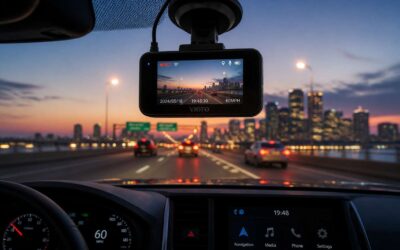
Dash cams serve as the primary recording component of any car with security camera. A front unit captures license plates, traffic lights, and the swerves of taxis. The rear cam watches tailgaters, parking scrapes, and gestures from other drivers. Some models combine both lenses into one housing.
Common configurations include:
- Single front lens for basic coverage.
- Dual lens with cabin or rear view.
- Multi channel systems for delivery fleets.
Wide angle lenses spanning 140 to 170 degrees shrink blind spots, and I find that essential for city driving! Loop recording overwrites old footage, so the memory card never fills mid trip. For South African streets filled with minibus taxis and wandering livestock, a car with security camera that records both directions provides complete visual documentation.
Interior Cabin Cameras
An interior cabin camera records what happens inside the vehicle itself. It captures conversations, gestures, and the mood between passengers. For ride-share drivers in Durban, this lens fills a gap that front and rear units leave open. The camera documents who entered the car, when they left, and everything that occurred in between.
A small module near the rearview mirror covers the driver and front passenger. Some models add a second lens for the back seat. When I compare a car with security camera systems, I check for:
- infrared illumination for dark streets
- audio recording with proper consent
- motion detection that wakes the camera
- secure cloud storage for footage
A car with security camera that records its cabin gives you a complete picture of each trip. I have found that discreet units capture better footage because passengers act naturally.
360-Degree Surround View Systems
A 360 degree surround view system turns your entire vehicle into one watchful eye. Four or more cameras stitch together a live map of the car’s every side. For rural drivers navigating narrow lanes or game reserves, this coverage matters. I once watched a sedan park between two bakkies without a single scratch, thanks to that bird’s eye clarity.
A car with security camera like this shows side swipes, curb scrapes, and even stray animals approaching unseen. The real value lies in the complete context it captures during any incident. Here is what I check for in these setups:
– Seamless stitching at the edges
– Low light performance for dusk driving
– Live feed availability on your phone
– Loop recording onto a microSD card
Every lens works together, so no angle remains hidden. That peace of mind has made me a believer in surround view systems!
Battery-Powered vs. Hardwired Cameras
Battery powered cameras grant a certain nimbleness. You can relocate them between vehicles or swap units when one needs a charge. A car with security camera running on battery avoids the fuss of tapping into wiring, which appeals to me when time is short. Hardwired cameras, however, draw directly from the vehicle’s electrical system. They record every moment without the anxiety of a dying cell. In my experience, drivers who park on busy streets prefer hardwired units for their relentless readiness. Battery models suit those who want portability. Consider these differences:
- Battery cameras install in minutes
- Hardwired cameras never need recharging
Yet a drained battery leaves you blind overnight, while a hardwired system keeps watch through any storm. Your driving habits and parking environment determine which source serves you best.
Cloud-Connected Smart Cameras
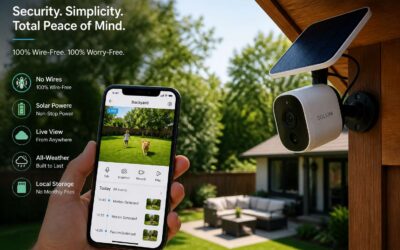
Cloud-connected smart cameras are the overachievers of the vehicle surveillance world. They stream footage straight to your phone, so you can watch parking lot drama from your couch in Joburg. No more squinting at a fuzzy SD card later. These systems store clips securely off-site, meaning a stolen device doesn’t erase your evidence. For a car with security camera that thinks ahead, cloud storage offers a distinct advantage. Consider these perks:
- Live viewing from anywhere
- Motion alerts that ping your app
- Encrypted backups that survive tampering
However, cloud services often require monthly fees. More importantly, poor network connection in remote areas can delay uploads. Still, the convenience of remote access has converted many sceptical drivers I know. You may decide that relying on cloud storage fits your urban life perfectly, but weigh recurring cost against occasional dead zones.
Top Features to Look For in a Car Security Camera
Video Resolution and Night Vision
One would think that parking in the dark is a simple matter of finding a spot, but the reality of a South African night often involves a game of chance where the stakes are your vehicle’s wellbeing. This is precisely why the specifications of your chosen car with security camera matter more than the brand name. Resolution is the first arbiter of truth; a 4K system allows you to read a number plate from across a dimly lit parking lot, transforming a grainy silhouette into a crisp, actionable detail for the authorities. While 1080p is serviceable, stepping up to higher clarity provides the necessary margin for error when the action happens at the edge of the lens.
Frame rate deserves your attention for capturing motion without blur. A camera that records at 30 frames per second captures the quick shuffle of a suspect, whereas anything lower often renders them as a smeared phantom.
– Look for a dynamic range that handles headlight glare.
– Check the sensor size, as larger sensors capture more light.
– Ensure the lens aperture is wide, preferably f/1.8 or lower.
Night vision is the final arbiter of visibility. Infrared LEDs work well for close proximity, but a system with a low lux rating excels in absolute darkness, rendering the scene in stark monochrome detail that holds up under scrutiny. The trick is finding a balance where the footage is clear without being washed out by streetlights, ensuring the camera works for you, not against the ambient urban glow.
Motion Detection and Parking Mode
Motion detection is where a camera proves its intelligence. A car with security camera should not stir every time a leaf drifts past the lens. Seek adjustable sensitivity zones, permitting you to focus on the driver’s door rather than the busy street. Parking mode extends this vigilance after the engine falls silent. It watches the space around your vehicle, catching the scuff of a fleeing bumper or the quiet test of a door handle.
When evaluating parking mode, consider:
- A low power draw, so the vehicle battery survives the night.
- A shutdown threshold that cuts power before a flat battery strands you.
- Buffered recording, which captures the moments before impact rather than after.
These functions decide whether a car with security camera becomes a guardian or simply another component.
Two-Way Audio and Alerts
Motion detection tells you something happened. Two-way audio lets you do something about it. You can speak through a car with security camera and warn a loitering stranger that you are watching. You can tell the security guard to ease off your bonnet.
Alerts work alongside this voice. A camera that pushes notifications when impact or motion occurs lets you respond in real time, whether you are in the shop or at home.
Useful alert features include:
– Geo-fenced alerts that activate only when the vehicle is parked
– Custom alert zones that ignore pavement pedestrians
– Instant video clips attached to each notification
Voice and alerts together mean someone must answer to your vehicle, even from across town.
GPS Tracking and Wi-Fi Connectivity
In South Africa, where the shadow of vehicle crime is a constant companion, a car with security camera is only as formidable as its ability to be found and controlled. A camera that merely records is a mute witness; one that tracks is a vigilant hound on a leash. Consider the sheer relief of watching a red dot on your phone, confirming the whereabouts of your parked vehicle on a chaotic Johannesburg street.
GPS tracking transforms a security tool into a recovery asset. When a vehicle is towed or stolen, the precision of this technology offers immediate, actionable data. This function becomes the difference between a frantic search and a targeted retrieval. Furthermore, the ability to set geofenced boundaries for the vehicle creates a digital perimeter no thief can silently cross.
Wi-Fi connectivity adds a layer of convenience that cellular data alone cannot match. A dashboard camera with wireless capabilities allows for the rapid transfer of high-definition footage to your home network without consuming expensive mobile data. This function is critical for reviewing evidence or downloading clips for your insurer. A secure, dual-band connection also ensures that live streaming from the interior cabin remains lag-free, providing a real-time view of your car with security camera from anywhere in the world.
These features, when paired, create a formidable barrier. They do not just record an event; they provide the tools to recover property and manage data efficiently. The security of your vehicle no longer rests solely on the strength of its locks, but on the intelligence of its electronic eyes. For any driver considering modern protection, the integration of these technologies is not a luxury, it is the standard for a truly connected defense.
Storage Options and Loop Recording
Storage options determine the reliability of your footage. A car with security camera records continuously, but a full memory card brings that recording to a halt. Loop recording solves this by overwriting the oldest clips, ensuring space for every new event. This mechanism is the backbone of continuous surveillance.
When choosing storage, consider the card’s endurance and capacity. High endurance cards handle repeated writes. Larger capacity gives you more hours before any overwriting occurs. Some cameras offer both local and cloud storage for added safety.
- Confirm support for high capacity microSD cards
- Check the loop recording segment length options
- Ensure the camera can recover from file corruption automatically
These features make the difference between reliable protection and a failed witness.
Installation and Setup Guide
Choosing the Right Mounting Location
The wrong mounting spot can blind your entire surveillance setup. A camera’s lens is only as useful as its vantage point, and a poor angle misses everything that matters. For a car with security camera, placement determines whether you capture a license plate or a blurry silhouette. Think of the windshield as your primary canvas, but treat it with respect. Directly behind the rearview mirror is a clever hideaway, but it can block your own view. You need a position that catches both headlights and pedestrian movement.
Consider your driving habits and where threats appear first.
1. Center of the windshield, low enough to catch both lanes.
2. Rear window, angled downward to avoid sun glare.
3. Side mirrors, for coverage of blind spots and door dings.
Mounting inside the cabin, high near the headliner, offers the broadest sweep. This position reduces interior reflections, which plague cheaper lenses at night. However, hardwired systems often require routing cables through the A-pillar, a task best left to a professional installer if you value your airbags. Alternatively, a rear-facing unit on the parcel shelf provides critical coverage of tailgaters. Just ensure the adhesive pad can withstand the heat of a South African summer without letting your camera tumble. Test each angle by walking around the car after installation. A quick adjustment now saves you from a blind spot later. The art lies in balancing concealment with a clear field of vision, which is the real secret behind any effective car with security camera.
Hardwiring vs. Cigarette Lighter Power
The cigarette lighter socket offers a simple, unadorned path to power. Its convenience seduces many owners. Yet that socket frequently dies with the ignition, leaving your car with security camera dormant exactly when darkness falls. Hardwiring taps a permanent circuit, allowing continuous vigilance while the vehicle rests.
I have seen too many vehicles sit vulnerable because a loose adapter broke contact on a potholed Johannesburg road. The choice demands honest reflection on your habits:
- Cigarette lighter: easy removal, visible cables, risk of dead batteries
- Hardwired: invisible installation, parking mode support, professional skill required
The difference lingers in the details. South African summers assault adhesive and wiring alike. A hardwired system endures. A dangling cord invites theft and distraction.
Connecting to Your Smartphone App
Pairing your car with security camera begins with a simple act: download the manufacturer’s application and create an account. The physical installation takes patience. You will route cables, secure mounts, and level the lens before powering the device.
- Enable the camera’s Wi-Fi hotspot from its settings menu.
- Open the app and select “Add Device.”
- Scan the QR code printed on the device’s base.
- Name the camera after your vehicle and set your time zone.
The connection takes seconds, yet the reassurance lingers. I have watched a live feed appear on my phone from a Johannesburg parking garage, the image crisp even at dusk. The app’s interface displays motion events, battery status, and recording history without clutter. Your car with security camera transforms from a passive device into an active companion.
Configuring Motion Detection and Alerts
Calibration of motion detection makes a car with security camera observant. Most apps allow you to set active zones, ignoring pavement movement while watching the driver’s door. Sensitivity sliders decide whether a passing cat triggers your phone or fades.
For alerts, choose push notifications or email. Schedule silence during work hours if your vehicle sits in a monitored garage. The unit should not ping for every shadow. Test the system by walking a figure eight around the vehicle; adjust until the response feels right.
Maintaining Your Camera System
Somewhere between wrestling a USB cable through a dashboard vent and realising your fuse box looks like a cryptic crossword, you’ll find the truth about installing a car with security camera. The first attempt always feels like a compromise. You want a clean look, but you also want the thing to actually see the road, not just your rearview mirror. If you’re using a rear camera, run the cable along the headliner. Tuck it under the trim with a plastic pry tool. It takes ten minutes longer, but it saves you from a wire dangling like a forgotten skipping rope every time you brake.
Once the physical setup is done, the real work begins. A car with security camera needs periodic attention. Dust and road grime build up on the lens, turning your crisp footage into a watercolour painting. The memory card, ironically, is the most fragile component in the whole system. High endurance cards wear out. They fail. You will only discover this after a taxi cuts you off and you reach for the playback. Make a habit of checking the card monthly. Format it. Replace it every year. Also, if your camera runs on a lithium battery, remember that South African summers are not kind to them. The heat degrades performance faster than you think.
A quick monthly check should include:
– Inspect the lens for smudges or debris.
– Verify the camera is still firmly mounted, not slowly sagging from vibration.
– Confirm all cables are secure and not rubbing against metal edges.
– Test the emergency recording button, if you have one.
The whole inspection takes five minutes. It is a small price to pay. A car with security camera is only as good as its weakest connection. And no amount of fancy software will fix a lens you forgot to wipe. Treat the hardware like a minor appliance, not a set-and-forget gadget. Give it a glance, keep it clean, and it will be ready when some oke decides to test your bumper in a parking lot.
Legal and Privacy Considerations
Understanding Recording Laws in Your Area
The real legal pitfalls of owning a car with security camera often only surface after an incident. Many drivers assume that because the camera is on their vehicle, they have an automatic right to record everything. This is not the case in South Africa. The Protection of Personal Information Act, commonly known as POPIA, places strict obligations on how you handle the footage you capture.
Recording on public roads is generally permissible, as there is no expectation of privacy in a public space. However, the moment your car with security camera is parked on private property, such as a shopping centre or a residential complex, the rules shift. You are now capturing images of individuals who may not have consented to being filmed. The law seeks a balance between your right to protect your property and the public’s right to privacy.
Consider these key factors before you rely solely on your footage for legal action:
– Video footage only is safer than audio recording, as capturing conversations without consent is a criminal offence in some jurisdictions.
– Signage indicating that recording is in progress can help mitigate legal challenges.
– Data retention is regulated; holding onto footage indefinitely can put you in violation of POPIA.
A common misconception is that you can share footage of a suspect freely on social media. Doing so can expose you to legal liability for defamation or a breach of privacy, even if the person is guilty. Your car with security camera is a tool for your own protection and evidence gathering, not for public shaming. The safest approach is to store footage securely and share it only with law enforcement or your insurance assessor.
Protecting the Privacy of Passengers
When you install a car with security camera, remember that passengers carry their own expectations of privacy. An interior lens captures every conversation, every glance, every unguarded moment. In South Africa, POPIA treats such footage as personal information, which means you must inform passengers that recording is active. Consider these practices to protect the people who ride with you:
- Position the camera so it primarily captures the road ahead, not the rear seating area, unless interior coverage is absolutely necessary.
- Review footage quickly and delete segments that have no bearing on an incident or claim.
- Disable audio recording during sensitive discussions, or store files locally with strong encryption.
A car with security camera is your silent witness, not a listening device for private exchanges. Treat passenger data with the same care you would your own. That restraint keeps your footage credible, your conscience clear, and your legal position intact.
Data Retention and Secure Storage
Your car with security camera can accumulate hours of footage quickly. Keeping every frame forever is not a plan, it is a liability. South Africa’s POPIA expects you to hold onto personal information only as long as necessary. A retention window of 7 to 30 days for routine clips keeps your storage manageable and your legal exposure low.
Secure storage matters equally. A memory card left loose in the glovebox is not secure storage. Encrypted storage for sensitive files and password protection on your viewing app are non negotiable.
- Automatic overwriting for routine footage prevents storage bloat.
- Incident clips transferred to the cloud stay protected from tampering.
- Resolved matters deserve prompt deletion, not hoarding.
Review your footage on a schedule. Keep what matters, dispose of the rest. A disciplined storage policy keeps your car with security camera an asset, not an exposure.
Using Footage for Insurance Claims
A single fender bender can turn your car with security camera into the star witness. But before you forward that clip to your insurer, consider the legal landscape. In South Africa, the Protection of Personal Information Act (POPIA) governs how you handle footage that includes identifiable people. Sharing raw video with your insurance provider is usually acceptable, but only for the claim’s specific purpose.
Edit responsibly. Crop out bystanders, blur faces, and avoid posting online. Insurers value unaltered footage, so keep the original file safe and provide a clean copy. A timestamped, encrypted clip carries more weight than a shaky phone recording.
If you record continuously, remember that your car with security camera is not a surveillance tool for public curiosity. Stick to the incident at hand. That focus keeps you legally safe and your claim moving forward.
0 Comments