
Choosing the Right Time to Install Security Cameras
Assessing property risk and coverage needs
In the quiet pre-dawn of a South African street, a camera’s steady gaze can deter trouble before it starts. A recent study suggests visible cameras deter up to 50% of opportunistic break-ins. A watchful hush settles over the street as the lens wakes, and understanding when security camera deployment makes the most sense is the first decision in building a safer home and business landscape.
I approach risk like a compass, a perimeter alchemy that reveals entry points, lighting, and traffic patterns that shape your coverage needs.
- Primary entry points (doors, gates, vulnerable windows)
- Lighting quality and shadowy corners
- Weather resistance and power options for SA climates
With risk mapped, tailor zones and placement to your budget and growth plans. The right timing is not faked urgency but deliberate alignment with your routines and seasonal shifts, turning quiet observations into decisive protection.
Determining optimal camera types and placements
Across the SA pre-dawn, timing becomes an unseen shield. A field study shows visible cameras deter up to 50% of opportunistic intrusions, and the moment the lens wakes the street breathes easier. I tune into a property’s rhythm—the lull, the seasonal shifts, the way light spills into corners—and ask: where and when should the lens wake?
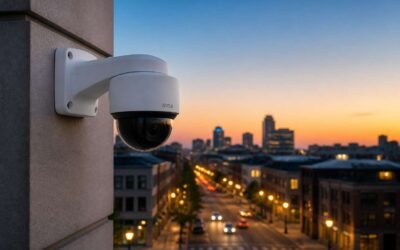
Choosing camera types and placements isn’t vanity; it’s a negotiation with routine and climate. In SA, power resilience and weather shape the decision—when security camera deployment makes sense becomes design, not alarm, and a dome, a PTZ, or a solar-feed option all have a voice.
- Dome for discreet surveillance and subtle presence
- PTZ for flexible framing without constant repositioning
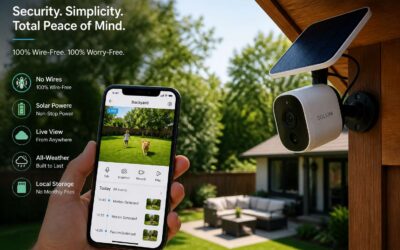
- Wireless with solar backups for resilience during load shedding
Budgeting for initial install and future upgrades
South Africa’s security clock runs on a sharper rhythm. Pre-dawn hush, the way power outages scribble on the day, and local observations show visible cameras deter up to 50% of opportunistic intrusions. The moment the lens decides to wake, streets breathe easier, and the conversation shifts from impulse to intention: when security camera decisions should light up.
Budgeting isn’t vanity; it’s governance. Upfront install costs, ongoing maintenance, and a plan for future upgrades weave together a resilient system. Consider power options, like solar with battery backups, to keep the lens alive through load shedding.
- Upfront install costs
- Maintenance and power options
- Paths for future upgrades
In SA, timing is design. The right moment arrives when risk, budget, and power realities align, letting the camera ecosystem grow without chaos.
Maintenance and upgrade planning over time
Time is the quiet architect of protection. In South Africa, load shedding and shifting crime patterns turn planning into a weapon. The right moment to install is a deliberate alignment of risk, budget, and power reality. Understanding when security camera decisions light up can save stress and expense.
Maintenance and upgrade planning should unfold like a steady vigil, not a burst of panic. Start with a living timeline: routine power checks, firmware refreshes, and future-ready cabling or storage considerations. Build in room for better lenses, smarter analytics, and extra channels as needs grow.
- Power reliability considerations
- Software health and analytics evolution
- Scalability for future coverage
Let the city’s pace guide growth; your system should evolve with less chaos and more confidence.
Indoor vs Outdoor Deployment Timing and Planning
Indoor location strategies for privacy and visibility
Timing is everything, especially for cameras hoping to be invited to the party rather than treated as suspects. Local urban studies in South Africa hint that after-hours activity spikes once the sun dips, making dusk the real audition for visibility. So the question of when security camera coverage happens isn’t a weather chat—it’s a timing debate with real consequences for privacy and safety.
Indoor location strategies should tilt toward entryways, stairwells, and communal spaces, while respecting private rooms. The balance shifts when security camera is placed indoors versus outdoors, since lighting, glare, and occupancy change who gets captured and what remains private.
- Privacy-aware zoning: limit capture to public-facing areas and avoid private spaces.
- Lighting tolerance: HDR and anti-glare considerations to handle sun and indoor lamps.
- Discreet mounting and sturdy housings to deter tampering without sacrificing coverage.
In the South African context, this interplay of timing, placement, and privacy makes sense as a daily rhythm rather than a one-off decision.
Outdoor perimeter coverage and entry points
South Africa’s dusk carries a different kind of energy—the kind that reveals what daylight hides. “Dusk is the real audition!” a seasoned security pro likes to say, and it sticks with you as the light fades. The timing of camera deployment isn’t cosmetic; it scripts how much privacy you preserve and how much deterrence you project.
Indoor vs outdoor deployment hinges on paths of movement: entryways, stairwells, communal corridors gain visibility while private rooms stay shielded. Plan with the sun and the shadows in mind; when security camera coverage happens, it’s as much about lighting tolerance (HDR, glare control) as about the gear itself. In South Africa, discreet mounting and rugged housings keep tamper-attracting appliances in line with safety goals.
- Positioning at primary entry points and along the perimeter
- Lighting and glare management to preserve image quality
- Tamper-resistant housings and discreet mounting for longevity
Seasonal weather considerations and install windows
Dusk has a way of rewriting the rules. In South Africa, the real choreography begins when light yields to shadow, and the question lands squarely on timing: when security camera deployment matters most. Indoor and outdoor strategies aren’t cosmetic; they map how people move through space and how lighting tolerance, glare, and color balance carve out truth in the frame.
Seasonal weather nudges planning. Consider these realities that shape install windows without forcing a redraft of the plan:
- Dust, glare, and visibility in the dry season
- Rain, humidity, and moisture management in the wet season
- Power reliability and backup needs during load shedding
Light, heat, and shadows should arbitrate the timing of work—windows where conditions are tolerable, temperatures humane, and access safe. The result isn’t speed; it’s a patient, enduring clarity in the camera’s memory.
Permits and HOA approvals timing
Timing is the quiet supervisor of every camera plan. In South Africa, the thriller unfolds not in gear but in the timetable. Indoor deployments glide through internal approvals, while outdoor work waits for body corporate sign-offs and municipal permits—the clock can tick smoothly or stall in red tape. The right window blends access, safety, and compliance, turning risk into calm certainty.
To align the timeline, consider these planning checkpoints:
- Indoor projects typically require less external coordination, easing internal sign-offs and basic electrical checks.
- Outdoor deployment hinges on body corporate or HOA approvals, external cabling routes, and local bylaws.
- Permit timing is uncertain; build a contingency buffer to keep momentum.
Whether indoor or outdoor, cadence matters. This is where patience wins: plan around permits so you know when security camera work can begin. In South Africa, synchronize with body corporate calendars, council windows, and supplier availability to preserve momentum.
Technical Readiness and Connectivity for Timely Installations
Power options: wired, PoE, or battery and install pacing
Across South Africa, nearly 40% of security camera projects stall because connectivity and power readiness lag behind the schedule. It’s the quiet lag between plan and installation that decides the outcome—an invisible countdown, where precision outpaces rush.
Technical readiness hinges on flexible power options and robust connectivity. You’ll see three realities:
- Wired: steady mains supply for uninterrupted operation.
- PoE: power and data over a single cable, reducing clutter and failure points.
- Battery: portable reliability for risk zones or temporary setups.
Install pacing must align with daylight, access, and network readiness. In South Africa’s varied terrain, ensure bandwidth, latency, and firmware compatibility are prepared so the moment you mount a camera, it speaks the language of the network—when security camera becomes more than hardware, it becomes timing itself.
Network preparation: bandwidth, routers, and security
Across South Africa, nearly 40% of security camera projects stall because connectivity and power readiness lag behind the schedule. Connectivity is the quiet engine behind a timely install. In SA, bandwidth and routing integrity decide if a project stalls or sails. Ask yourself: when security camera gets wired into the system, is there enough headroom for live feeds and remote checks?
Technical readiness hinges on preflight checks that align bandwidth, routers, and security. You want latency low enough for real-time alerts, firmware compatible across devices, and a network path that won’t crumble during peak hours.
- Ensure sufficient bandwidth to handle video streams without compression lag.
- Position routers for optimal coverage and reliable uplink in SA terrain.
- Lock down security: updated firmware, strong passwords, and encrypted traffic.
With these in place, installation tempo becomes a true measure of readiness rather than hope.
Storage decisions: local vs cloud and budget fit
South Africa’s security landscape is unforgiving: bandwidth delays can derail installs before the cameras blink. In many projects, up to 40% stall as storage decisions and budgets lag behind the build. This is where the timing question matters—when security camera data lands, the rollout hinges on storage choices.
Storage decisions hinge on local versus cloud and budget fit. Local storage delivers low latency for real-time alerts and immediate access on-site; cloud storage offers off-site redundancy and scalable capacity to ride out sudden bandwidth swings across SA towns and rural corridors. The balance between immediacy and resilience guides these choices.
- Local on-site storage (NVR/edge retention) with encryption
- Cloud storage with tiered retention and robust security
Pairing these with a measured budget approach keeps the install tempo aligned with reality rather than aspiration.
Pre-launch security checks and privacy safeguards
South Africa’s project clocks sometimes run on sprint speed—until the router balks and you watch a rollout lose its rhythm. The timing question—when security camera data lands—frames the entire installation sprint, because data flow dictates cabling, power, and privacy steps more than glossy specs ever could.
Technical readiness means a clean handover between site and network: pre-launch checks, encryption at rest, firmware baselines, and a map of power redundancy. Here are quick checks to keep the tempo honest:
- Bandwidth resilience and peak-hour behavior
- Firmware integrity and encryption posture
- Privacy governance and signage alignment
With these in place, connectivity is a backbone, not a bottleneck, ensuring the install remains on a professional cadence—privacy safeguarded and performance ready.
Compliance, Privacy, and Legal Considerations in Placement
Local laws and consent for surveillance
Perimeter ethics are evolving as fast as camera tech—and privacy matters as much as footage. “Consent is the compass,” says a South African facilities manager, and I tend to agree. These choices matter when security camera footage is involved, because clear rules about who can view footage and for how long are as vital as the lens. This isn’t about mistrust; it’s about lawful processing under POPIA, local by-laws, and common-sense privacy.
- POPIA compliance: data minimisation, lawful processing, and security measures
- Consent and signage: clear notices and informed participants
- Access and retention: limit who can view footage and for how long
Across South Africa, placement decisions harmonise with local by-laws, homeowners’ associations, and a neighborly sense of privacy. The aim is safety without turning every porch into a stage, and with the right consent framework, the camera becomes a shield, not a show.
Public vs private space boundaries and signage
Compliance, privacy, and legal boundaries shape every placement decision. In South Africa, public-facing zones and private spaces travel on different legal rails, with POPIA demanding data minimisation and robust security. Clear signage and informed consent remain non-negotiables. Considerations about when security camera footage can be viewed centralise the dialogue between property owners, tenants, and neighbours.
- Visible notices at all entrances
- Plain language and local languages
- Defined retention and access measures on the sign
Public vs private space boundaries require thoughtful mapping: who may view the footage and where it’s stored, and how long it stays in the ether of memory. Signage should spell out purpose, data rights, and appeal processes, so residents feel respected as much as protected. This mindful approach turns a camera into a trusted guardian rather than a silent intruder. It also clarifies when security camera data may be retained or shared.
Data retention policies and user access controls
Compliance, Privacy, and Legal Considerations guide every placement choice in South Africa, where POPIA shadows data handling with a quiet authority. Clear signage, minimal data collection, and robust security are not afterthoughts but the fabric of trust. The dialogue among property owners, tenants, and neighbours hinges on who may view the footage and where it’s stored. When security camera footage is reviewed or retained, the rules must be clear, lawful, and revisited as circumstances change. We frame policies that respect privacy while deterring harm.
- Retention windows aligned to risk and lawful purpose
- Role-based access and multi-factor authentication
- Comprehensive audit logs and clear appeal procedures
Footage becomes a trusted guardian when retention, access, and disclosure are mapped with care, not coercion. This is the spell that keeps communities safe and rooms free of unease.
Shared space guidelines and neighbor considerations
In South Africa, security is more than hardware—it’s a covenant with quiet accountability. POPIA shadows data handling with a quiet authority, guiding how footage is captured and used in shared spaces. When security camera deployments touch lobbies, stairwells, or parking areas, signage must be clear, data collection minimal, and purposes lawful. And when security camera deployments touch common areas, policies must be equally transparent.
Compliance, privacy, and legal considerations demand that neighbors understand who may view footage and where it’s stored. For shared spaces, access should be role-based and documented, and any disclosure must be tightly controlled and contestable through a simple appeal procedure. If tensions rise or circumstances change, policies should be revisited so the rules stay fair.
Footage remains a guardian when guardianship is defined—transparent, proportionate, and respectful of boundaries.
0 Comments